- The Blog Offers...
- What is 2D Animation?
- The Difference Between 2D And 3D Animation
- The Major Types of 2D Animation
- The 2D Animation Production Process Step by Step
- The Real Benefits of 2D Animation Works for Businesses
- Real Business Applications Of 2D Animation
- How to Choose the Right 2D Animation Company?
- The Future of 2D Animation
- Conclusion
Do you wonder what is 2D animation and why companies are using it to stand out? Well, the reason is human brain that engage better with motion instead of static images.
Businesses are leaning towards 2D animation videos to get better engagement, conversion, and brand recall. It means 2D animation is the smartest way to grab attention in a today’s world.
Today, it is used as one of the strongest tools for modern marketing. Different companies belonging to different sectors use 2D animation as their weapon to compete. Be it to describe complicated software in 60 seconds or explain complex concepts in a clearly, 2D animation videos do it all.
2D animation is now a booming industry, aiming to expand to USD 3.36 billion in 2034. Companies investing in it have an easy way to convert their visitors into customers.
The Blog Offers…
In this blog, we will discuss what is 2D animation and the process behind it. You will also get to know about the benefits, tools and why 2D animation can work for your business in 2026. Get to know all about the 2D tools, animation trends 2026 and the future of it.
What is 2D Animation?
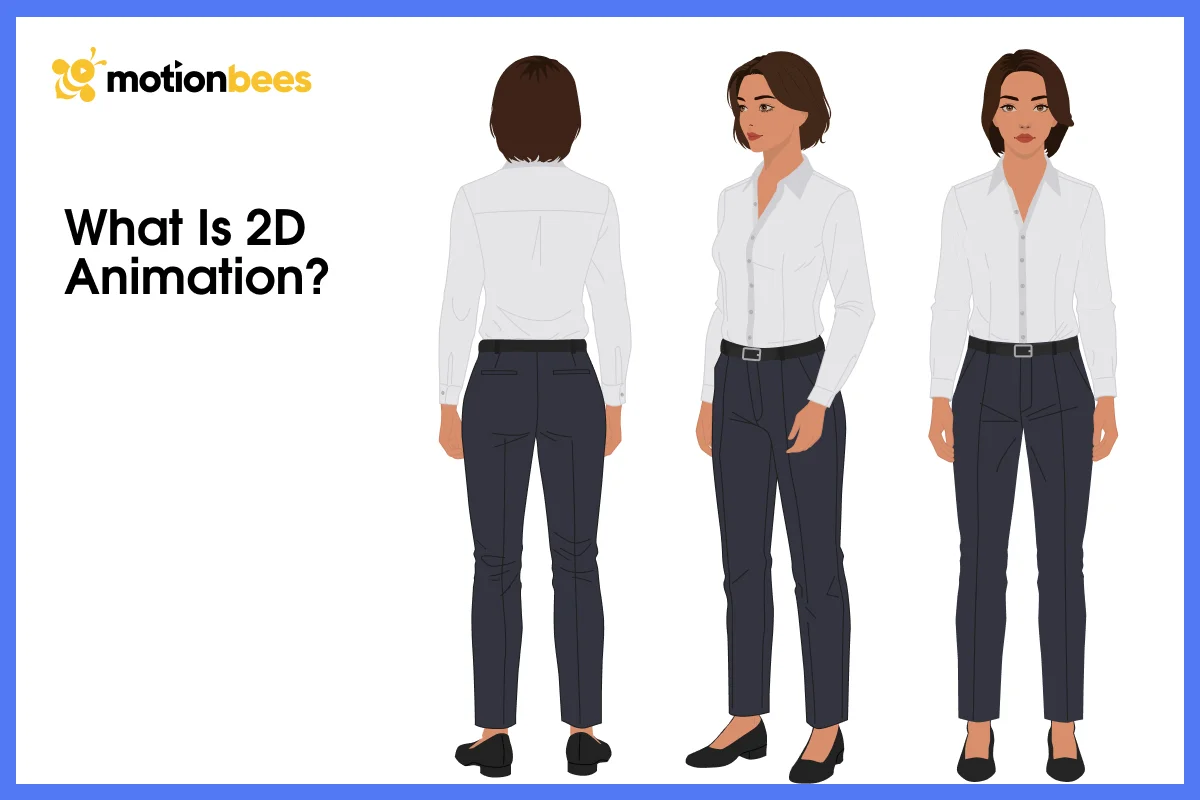
It is the art of making an illusion of motion in a 2D space. In this kind of animation, all the elements are on flat surface. There are two axis, X and Y involved, where X represents the width and Y represents the height.
At first, artists draw every text, shape, object or character either by hands or digitally. Then, they sequence it frame by frame. Usually, they need to make 24 frames for one second of motion.
Once frame work is complete, animators all frames together to see how the human eye perceives it.
The motion we see today has a lot of effort behind it. In 2D animations, it is important that there is consistency in visual clarity and storytelling. You may consider 2D as flat objects put in motion but this flatness is a creative luxury which 3D objects lose in its search of realism.
The Difference Between 2D And 3D Animation
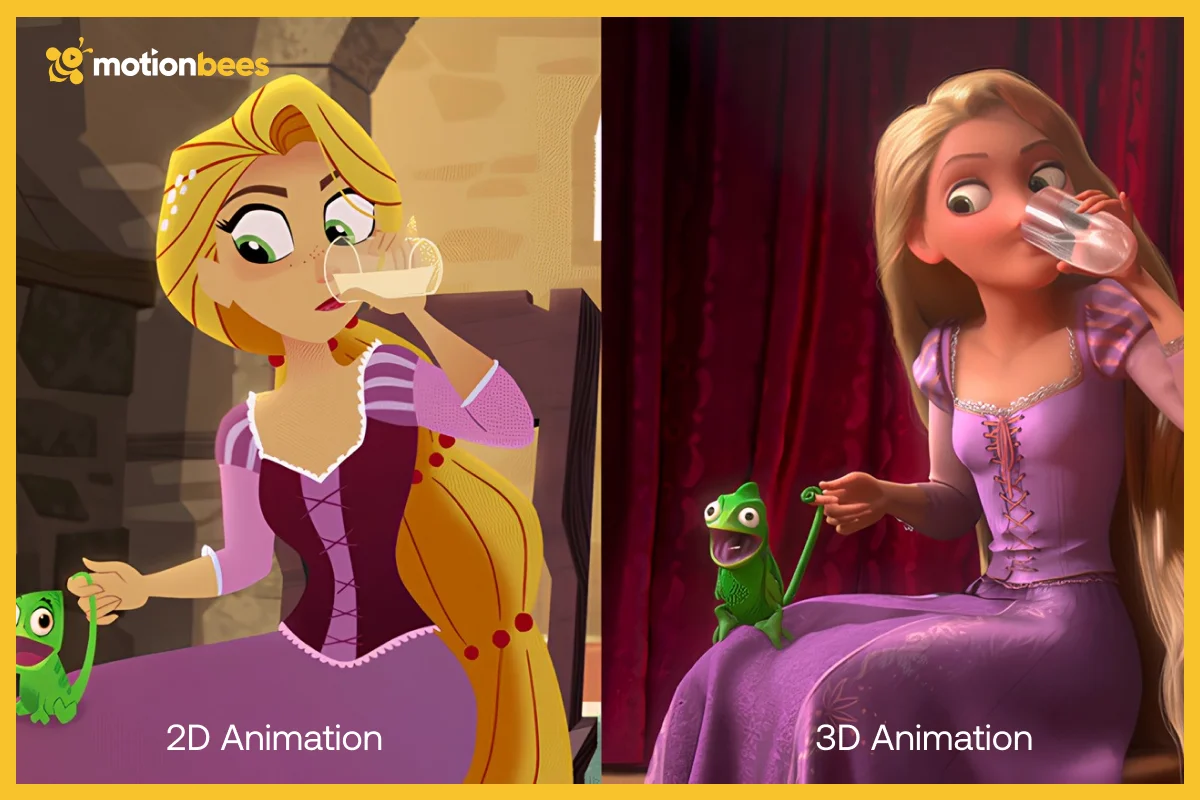
What is 2D animation vs. 3D? Still asking? Well, people look for this answer a lot. The actual difference between both is dimension. 2D animation works around X and Y dimension. 3D animation requires 3 dimension, X, Y and Z.
One works on flat surfaces where the other on volume and depth.
They are both useful but it depends which one you need for your work, either creative or commercial.
| Factor | 2D Animation | 3D Animation |
| Space | The objects cover 2 dimensions only, X and Y, giving images a flat feel. | The objects here have more depth because 3 dimensions are covered, X, Y and Z. |
| Look & Feel | The feel is more expressive and the look is illustrative | The feel is volumetric. It has depth and textures which makes the objects look real. |
| Production Cost | The budget is lower which makes it ideal for most businesses. | The budget is higher here and 3D modelling and rendering is needed. |
| Speed to Market | 2D animations take less time to market. They are made easily compared to 3D and requires less technical work. | It is comparatively slower because it takes more technical process and revision cycles |
| Best Fit | They can be used in explainer videos and for brand storytelling. | They are best for product demos, also in gaming and architecture to add more depth and realism. |
| Brand Impression | The 2D animation gives a warm, creative, mainly human and accessible feel. | For more immersive, real and premium feel, 3D animation is used. |
The Major Types of 2D Animation
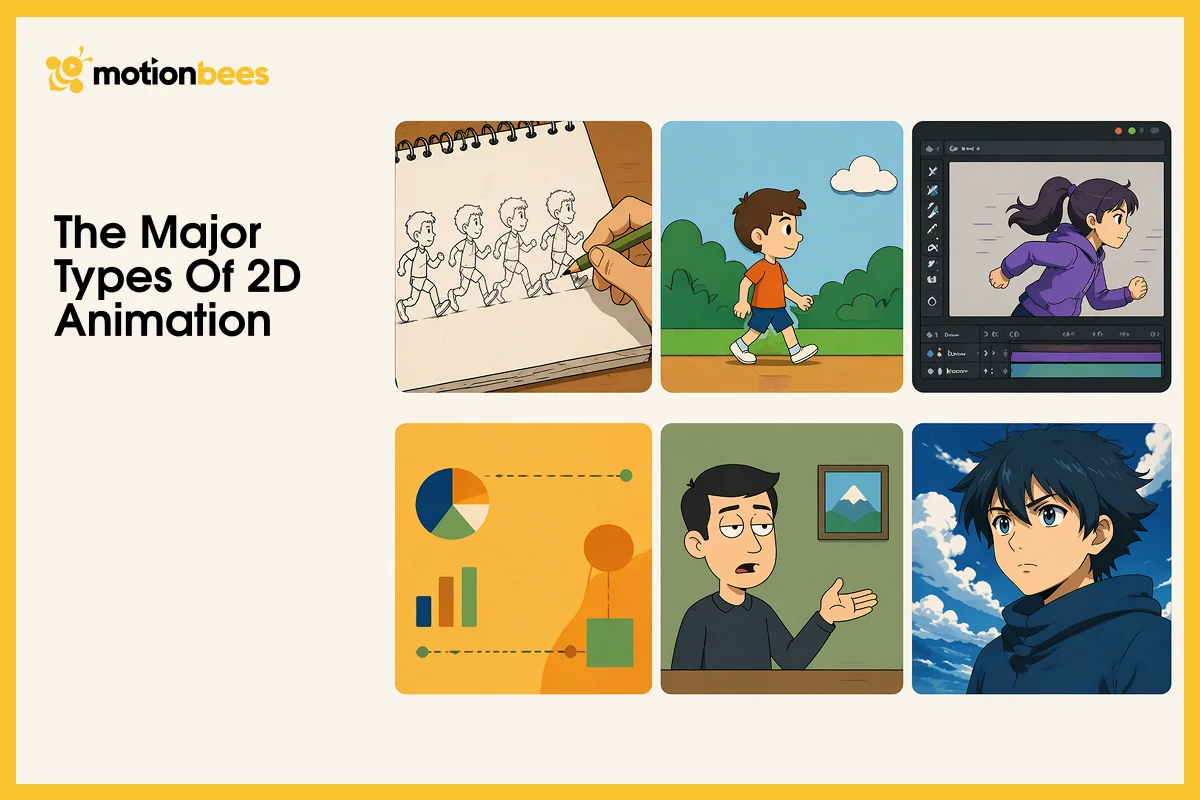
Knowing the types of animation will help you to select the right one that suits your style and budget. Each type works for a different kind of visual identity and profile of production. The first step to is to know which style you want to use to achieve your purpose.
Frame-by-Frame (Traditional/Digital)
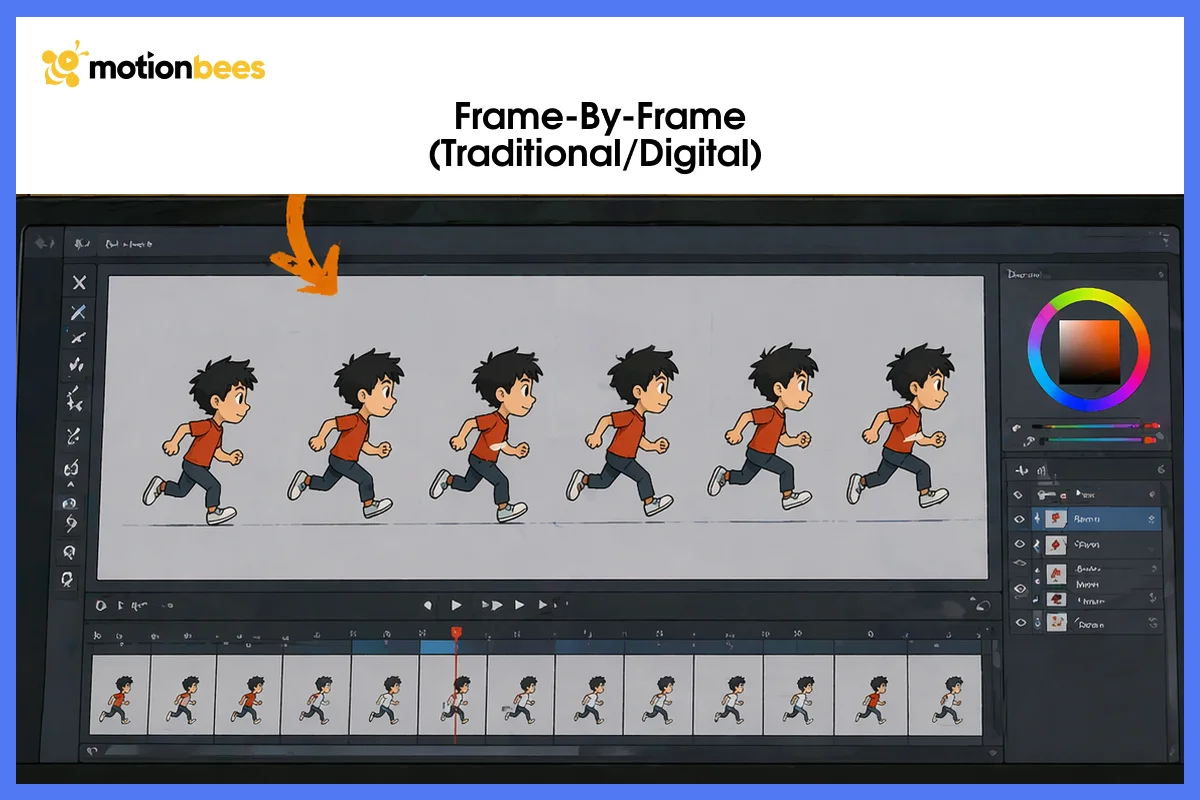
The most basic and traditional kind of animation is frame by frame. It is not expensive but takes a lot of time. For this, artists draw each frame with hands or with tools. now, each frame has a different scene, sometimes a slight difference. In this kind of animation, there is no motion but only illusion. It is extremely organic and expressive and works for brands who want character-based storytelling and brand mascots.
Digital Cut-Out Animation
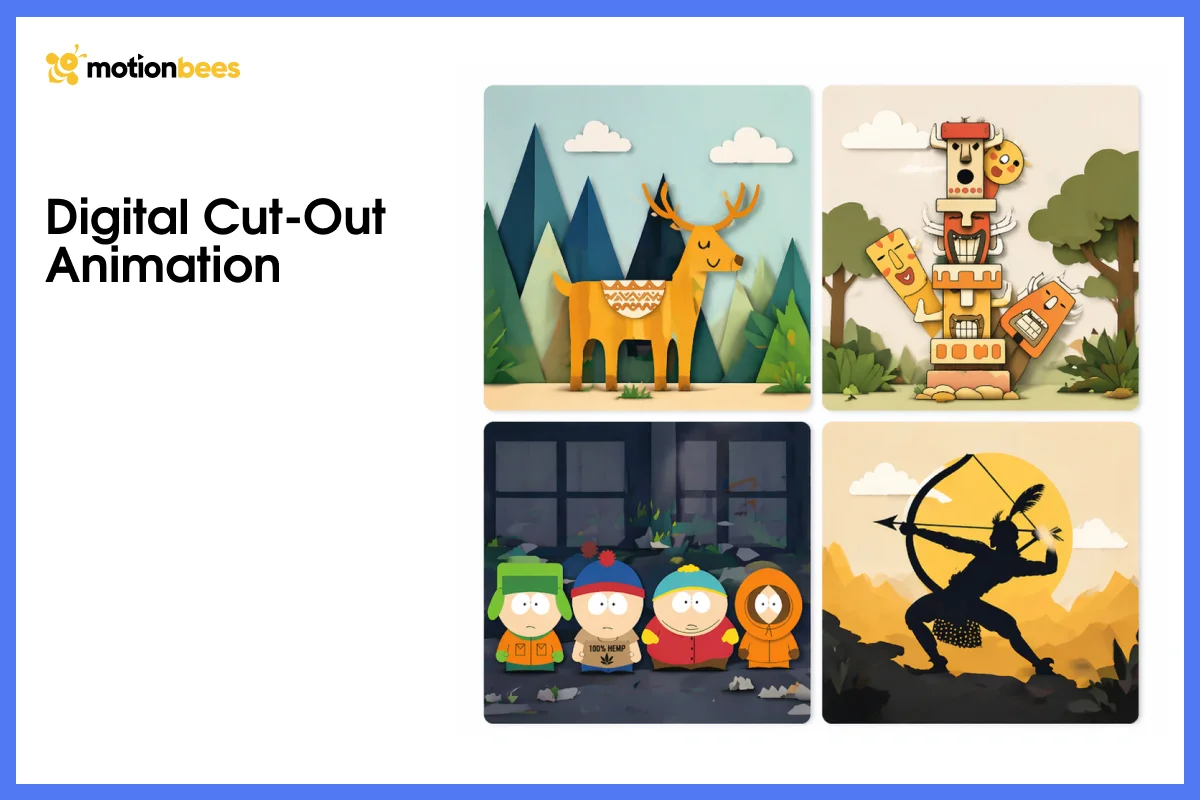
In this type, animators sculpt every character in the form of stacked digital puppets. For example, attaching separate body parts and then moving them between frames without redrawing. It is the most popular method of professional commercial animation today. This kind of animation is easy and quick to create unlike frame-by-frame animation that takes a lot of time.
Motion Graphics Animation
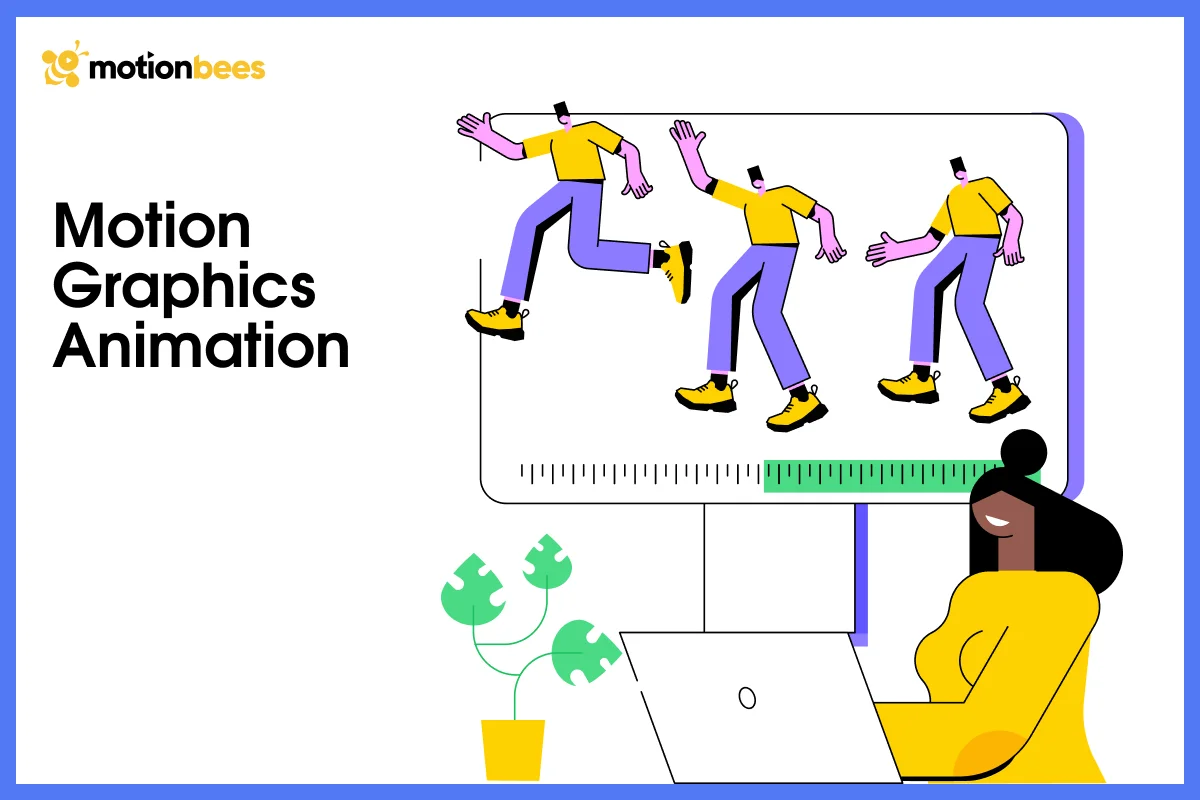
Using motion graphics, anything, be it fonts, icons, data or abstract shapes, can come to life. There is no need of characters, but pure visual logic and intentional motion. This motion graphic animation is used by different industries, from SaaS to brands relying on storytelling.
These are used in corporate animation videos, SaaS product explainers, and data storytelling.
Vector Animation
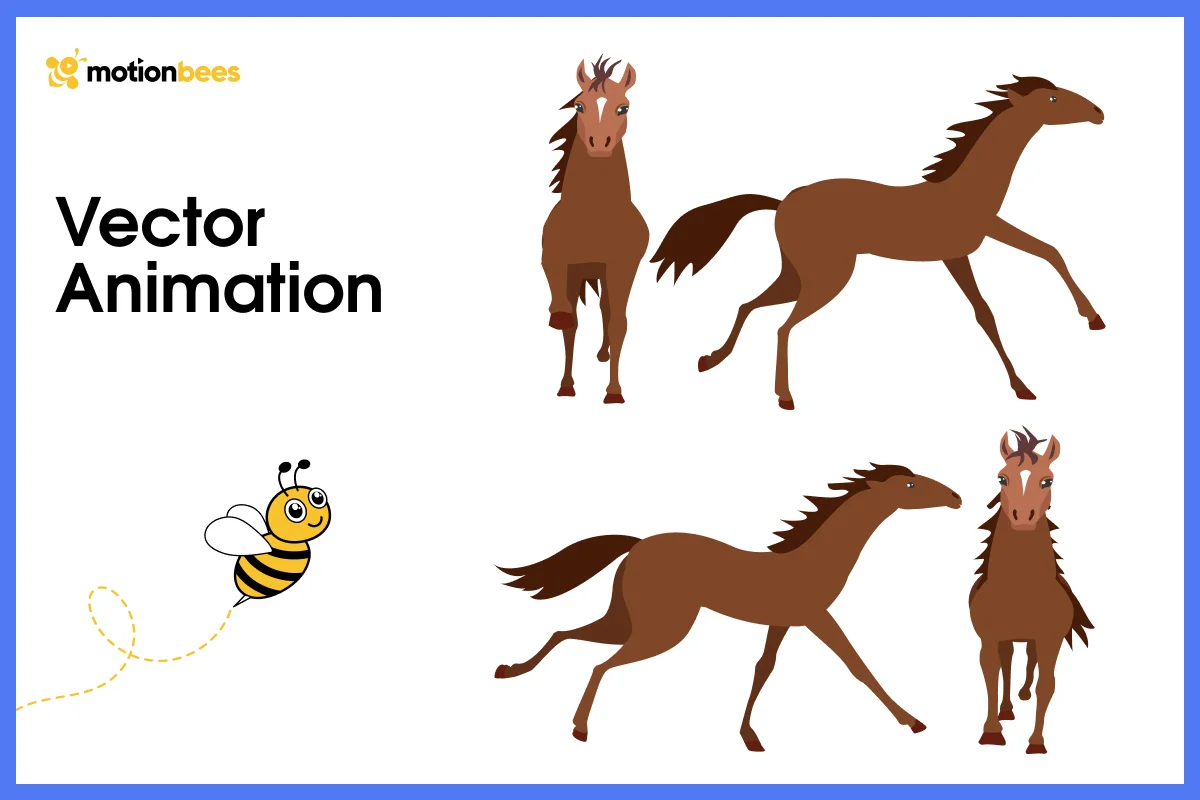
The vector based animation have scalable formats. They feel sharp at any resolution, be it a smartphone or a billboard. You will find them fit perfectly well on different platforms.
Rotoscoping
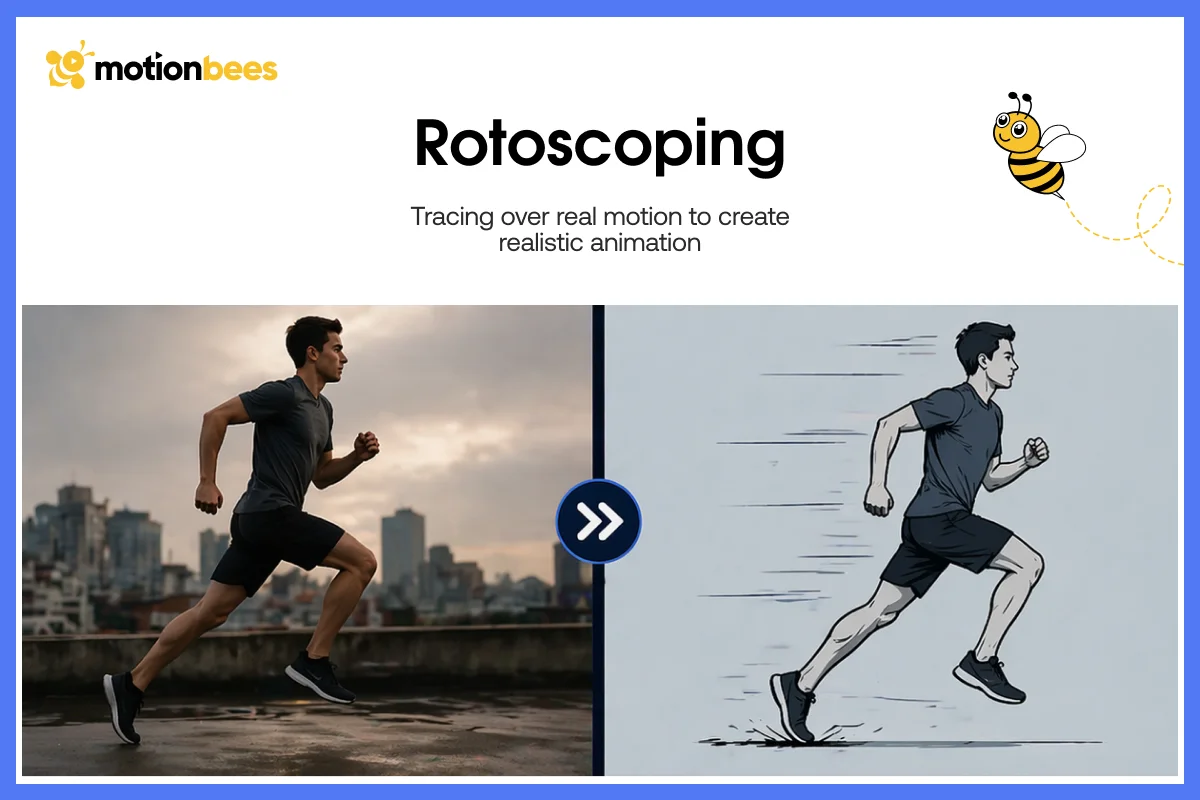
It uses live-action shots which animators trace to create hyper-realistic motion with an illustrative effect. It is applicable to film and music videos because of its cinematic quality.
The 2D Animation Production Process Step by Step
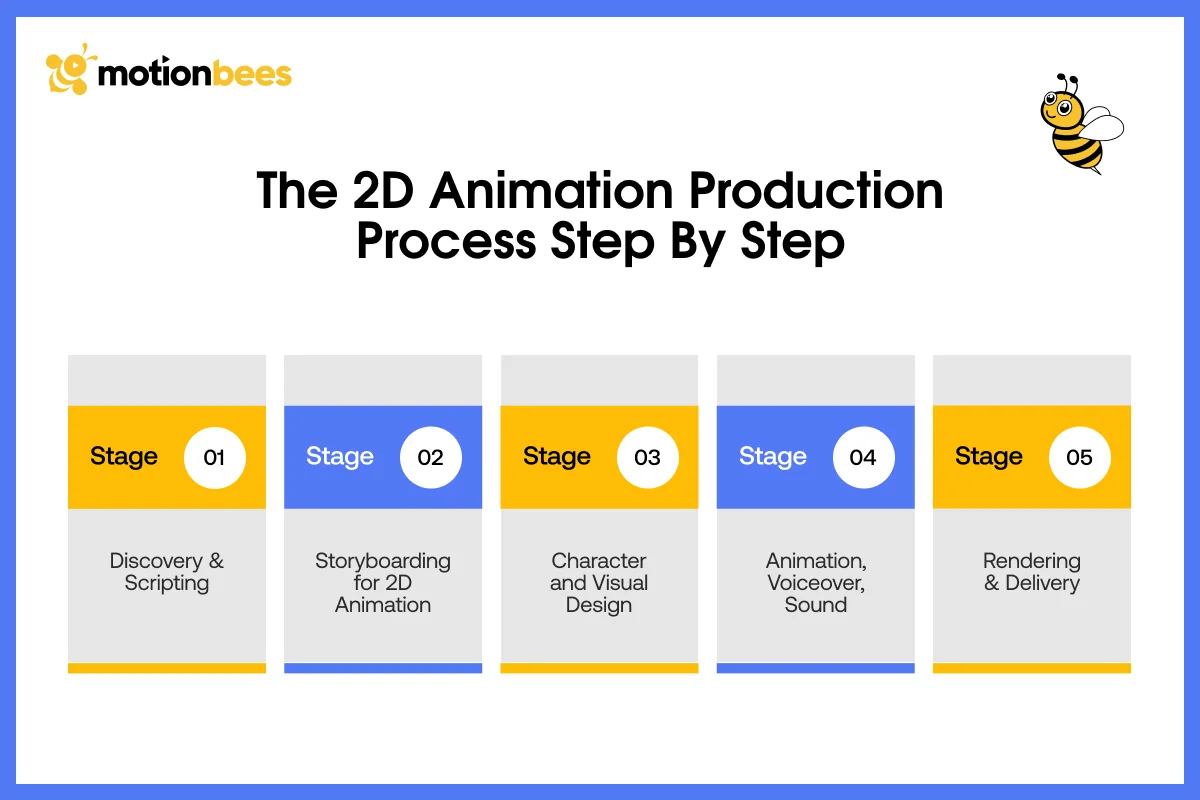
Do you wonder what is 2D animation look like behind the scenes? Professional 2D animations that you see today are not accidental. They were made with care and effort. There is a very strict step by step process, which requires creativity and commercial discipline.
At Motionbees, all our 2D animation projects follow these five fundamental steps, each step forms the basis for the other.
Stage 1: Discovery & Scripting
The first step is to make sure that the whole creative team gets under the skin of a brief. That’s really important as it sets the foundation of the entire process. They must understand what the video is going to about, the problems it solves, what kind of audience watching it, on what platform and what will they do after.
Now these are the list of questions that will set the tone, visuals, pacing and length of the video. The foundation of every successful animation video is a good script. Not just the dialogues but the direction, emotions and structure that can interest viewers.
Stage 2: Storyboarding for 2D Animation
When the brief is properly read by everyone, artists start with the storyboard. Here, they start drawing each scene that works as the blueprint. Every scene, shots, even the transition from one shot to another is put on a storyboard. This happens before one works on a frame.
In this stage, animators decide how much time one frame will take so save any unnecessary rework.
After completing the storyboard, clients review it and share feedbacks. If the feedbacks are positive, the production team starts working according to the creative direction.
This revision step is very important. The reason is that if you make changes in this step, it will take your minutes. But if you make changes once everything is complete, it will cost you time and money.
Stage 3: Character and Visual Design
Now comes the next step which is designing. Here comes designers who has all the skills need to create visual worlds. From the outside, character design for 2D animation may sound like creating aesthetically pleasing characters. The truth is, it takes proper skills and knowledge to do this.
A designer must know what the brand is about and what does it want to convey. And from this brief, designers work on every facial expression, the use of colors, the proportions and styles.
Furthermore, they even design backgrounds to compliment the scenes. To succeed, designers must read the brand guidelines beforehand to avoid any error.
Stage 4: Animation, Voiceover, Sound
After designing the characters and the whole background, animators add motion which transforms into animation. This is important because it turns the frames into motion video.
In animation industry, animators use different tools like Adobe After Effects, Toon Boom Harmony and TVPaint.
The animation is produced using the 12 standard principles. These include, squash, anticipation, staging, action and pose, overlapping, ease in and ease out, followed by arcs, secondary actions, timings, exaggeration, solid drawing and then appeal.
Alongside of this, custom voiceover and sound add to complete the entire sensory experience.
Stage 5: Rendering & Delivery
The fifth and the final stage is rendering where the 3D model is transformed into 2D video. It is then saved into a finished video file format. This depends on the work and client needs. For example, MP4 formats for web and social media, MOV formats for broadcasts and platform-neutral versions for YouTube, LinkedIn, or an app.
At Motionbees, we make sure that the client receives update on everything. After confirmation, we go ahead, finalize the project and deliver it in the required formation.
Want Full Control Over Your Animation Before It Goes Live?
Get unlimited revisions at the storyboard stage plus structured review rounds during animation for perfect results.
The Real Benefits of 2D Animation Works for Businesses
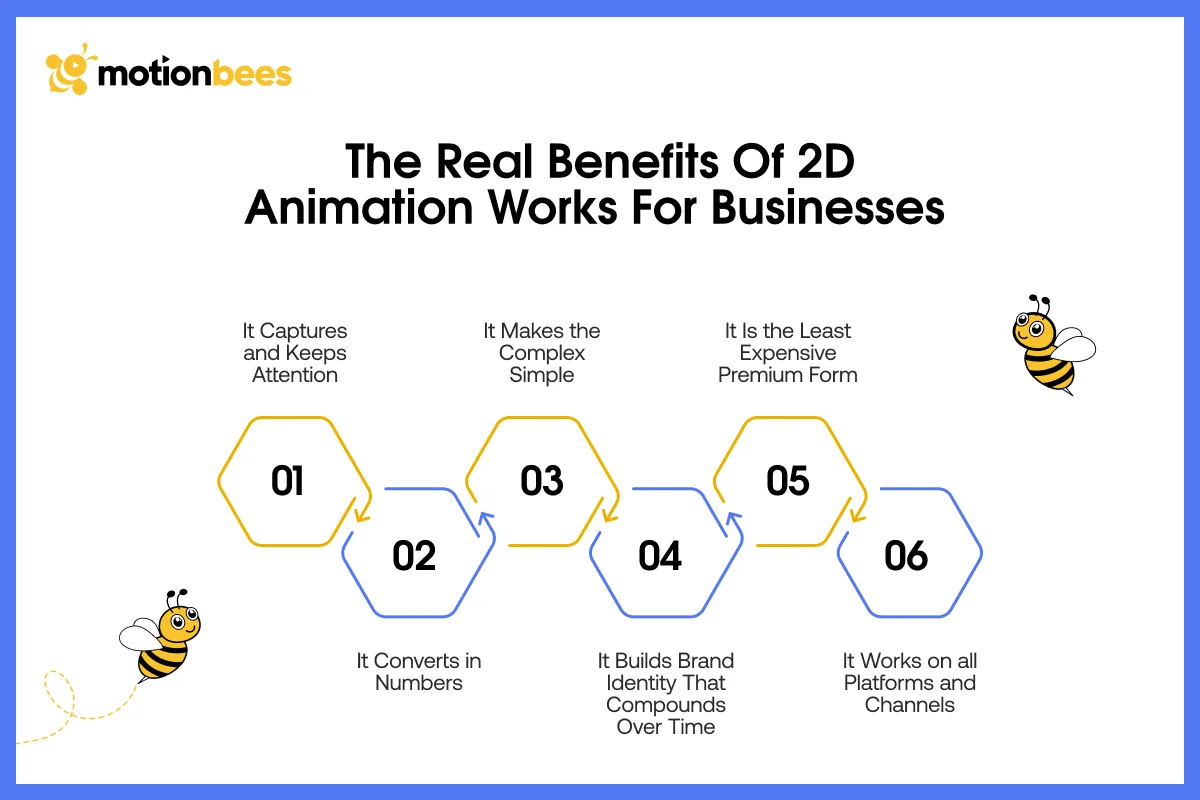
The real benefit of 2D animation for businesses is not aesthetics alone but performance.
It Captures and Keeps Attention
Attention is extremely scarce in today’s digital marketing. The attention span today is literally 5 seconds and it is very important to product content that captures attention.
2D animation stands out here. The animation in it helps viewers stick and retain information, which is rare in text content.
Very few reads, while other scans. However, this is not the case with animated video content but according to a study by Loopex Digital, 80% of viewers consume animated content, that too from start to end.
The reason could be movement which differentiates static images from animation motion videos. Motion has the power to entice emotions, giving 2D animation a competitive advantage nowadays.
It Converts in Numbers
The conversion impact of animated marketing videos is well-documented. According to Firework, adding video to a landing page boosts conversion rates by up to 86%.
The most famous real-world example is Dropbox. You can see their explainer videos with 2D animation strategy on their homepage. According to Creackitt, these videos raised over 10% more conversions and an additional $48 million revenue. When you understand what is 2D animation and how it can help brand, you cannot go back to not using it.
Simply put, it’s one video, one placement and one extraordinary result.
It Makes the Complex Simple
Every business has something it struggles to explain. It can be a multi-step SaaS onboarding flow or a financial product with layered risk structures. 2D animation solves everything by translating idea into visual story. You can show processes, illustrate concepts, and sequence information. Everything is possible with animation that one cannot do using manual methods. According to Lambda Films, 94% of video marketers claim that animation has helped them by increasing user understanding of their products or services.
It Builds Brand Identity That Compounds Over Time
A well-designed 2D animated brand has consistent characters, color scheme, illustration style, and motion language. When someone looks at it, it appears familiar.
According to Branding news industry analysis, 70% of a company growth in UK features meerkats advertising campaign. Meerkats made brands so famous that people valued brand characters more than they looked at the best price value.
This explains how custom 2D animation can provide brands with a solid visual signature that can differentiate them from their competitors. If brands keep on using generic templates, it would be difficult for them to have a unique brand identity.
It Is the Least Expensive Premium Form
There are some animations which need live action no matter what. For that, you need to pay extra location charges, actors and crew, equipment rent, catering and post-production expenses.
The 3D animation is expensive for this reason. It also involves sophisticated digital modelling, texturing, rigging and rendering infrastructure. But unlike 3D, 2D is very cheap. You can also product one animation and use it as a building block for new videos, social formats, and campaigns.
This way, the original production cost remains the same and every reuse also double your initial investment.
It Works on all Platforms and Channels
You can use 2D animation for marketing and advertising as it is one most format-flexible. Just by making one master animation, you can re-use it for different platforms having different needs.
For example, on Instagram reels as it requires vertical videos, LinkedIn which favors square video format, YouTube with a widescreen and on TikTok, that favors silent caption video works.
It means one video can work on different platforms, no matter if there is high content requirements and limited production budget.
Curious What Animation Can Do for Your Brand?
Book a free consultation with Motionbees and discover how custom 2D videos can boost your message and engagement.
Real Business Applications Of 2D Animation
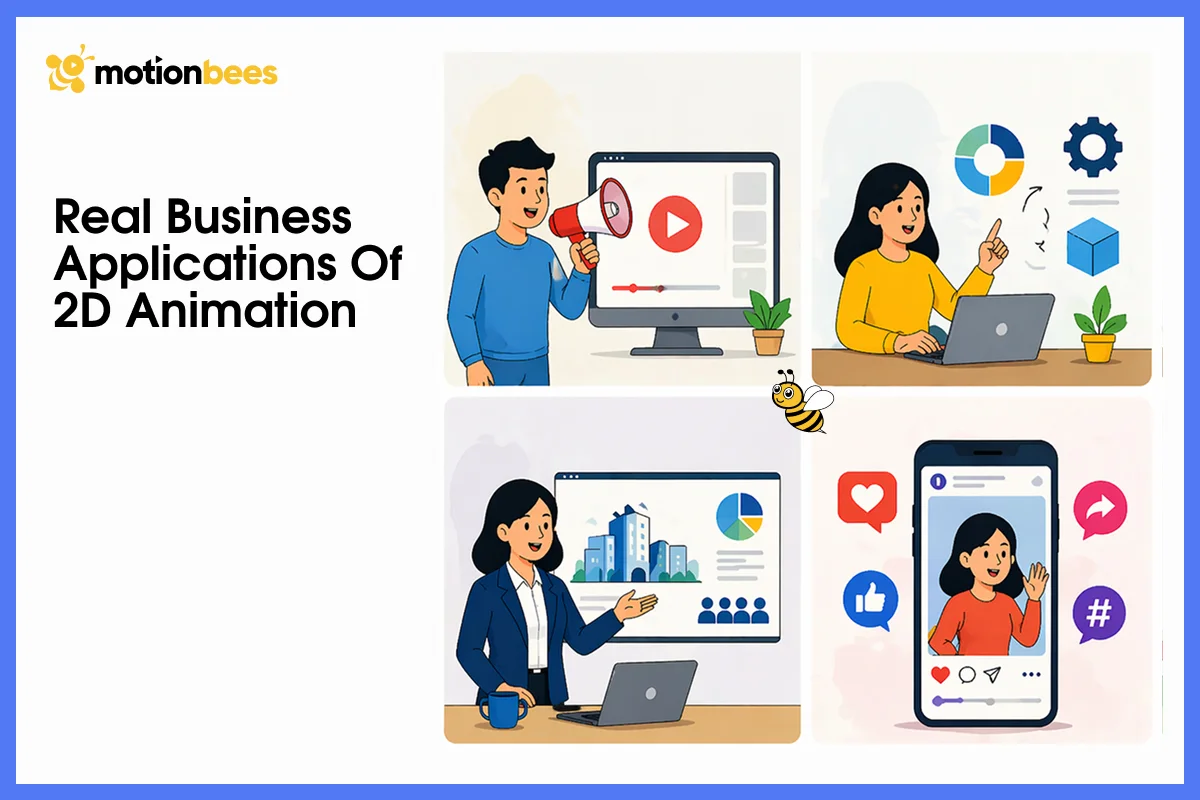
There is no one size fits all solution but when it comes to 2D animation, it is versatile enough to fit different commercial requirements. The following are the most influential business applications of 2D animated videos in 2026.
Explainer Videos
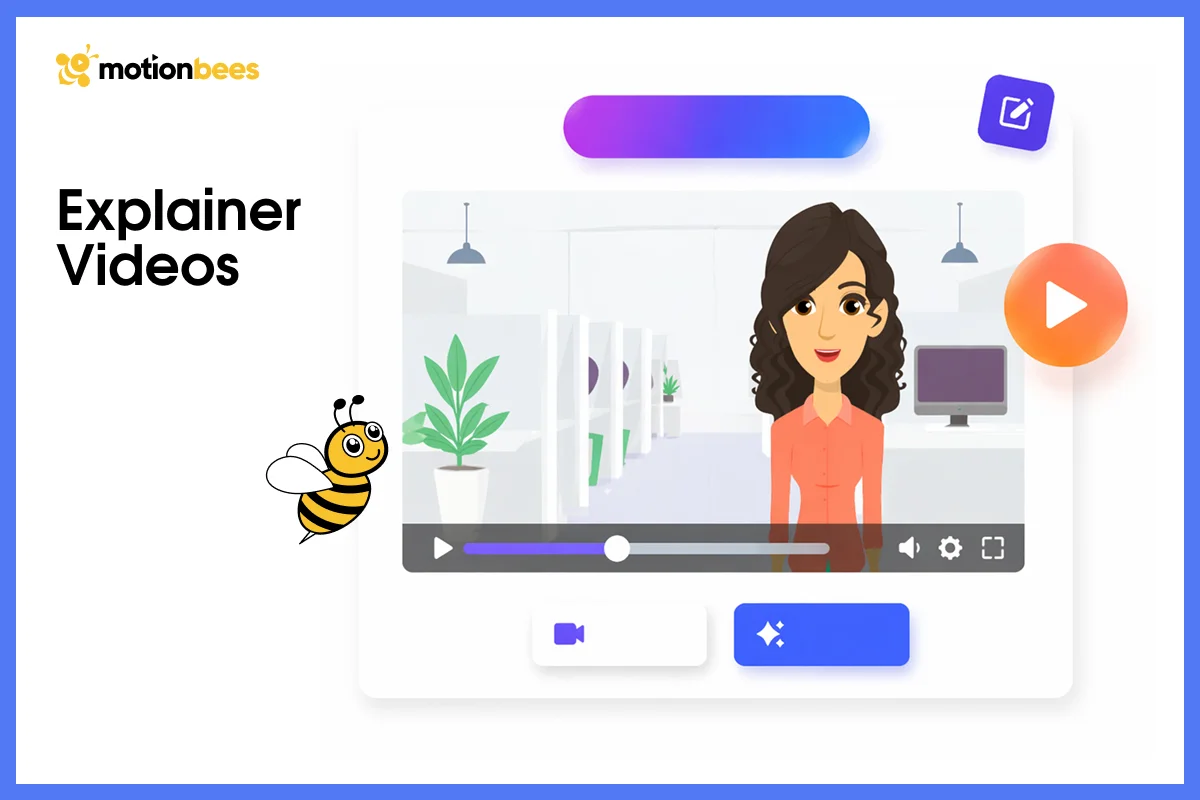
An explainer video is a brief animation, 60 to 90 seconds long video, that explain one thing in a straightforward fashion. For example, what do you do and why it benefits the audience.
The top 2D animation studios put explainer videos on their homepage or a product landing page. Why? Because that’s where explainer videos work as a sales representative 24/7.
According to different sources, companies putting explainer videos on their homepage experience low bound rates. Moreover, these videos also help increase conversion rates.
Advertising Campaigns
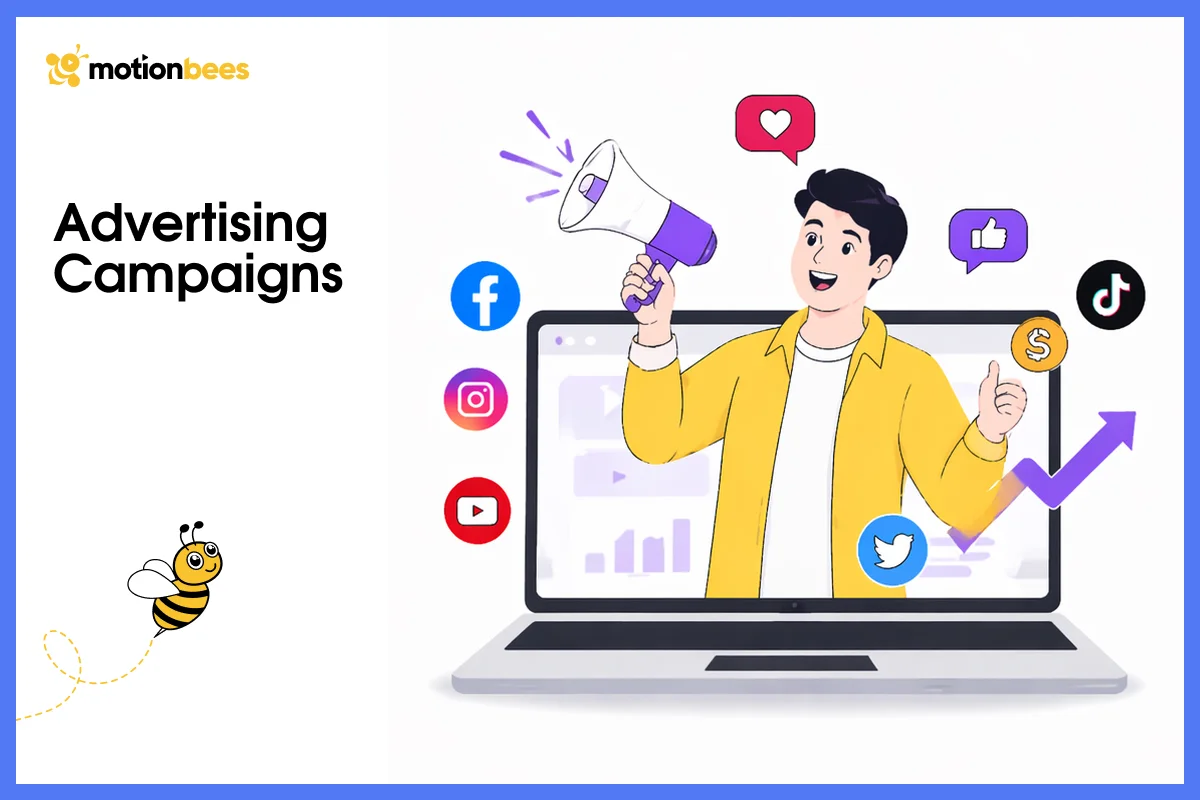
2D animated videos provide brands with creative freedom which they use in advertising campaign. In ads, it is possible to visualize any concept, be it a metaphor, a mechanism that nobody has thought about, or any emotions. Everything can happen without any limitation.
Animated ad content is also exceptionally scalable. You can resize it, cut and refresh it without shooting everything from the scratch.
This is the kind of operational efficiency that provide competitive advantage to 2D animation in social media campaigns.
E-Learning and Corporate Training

According to VdoCipher, electronic learning increases information retention rates by up to 60% compared to textbooks.
Do you see how companies now offer digital manuals and SOPs. Everything is digitalized now and it’s for audience convenience. For businesses investing in onboarding, compliance training, or skills development, these e- learning help reduce training costs.
Even for educational sectors, 2D animation can simplify content, make it fun and scalable to read. Thousands of employees can use it globally without any additional cost per learner.
Social Media Content Campaigns
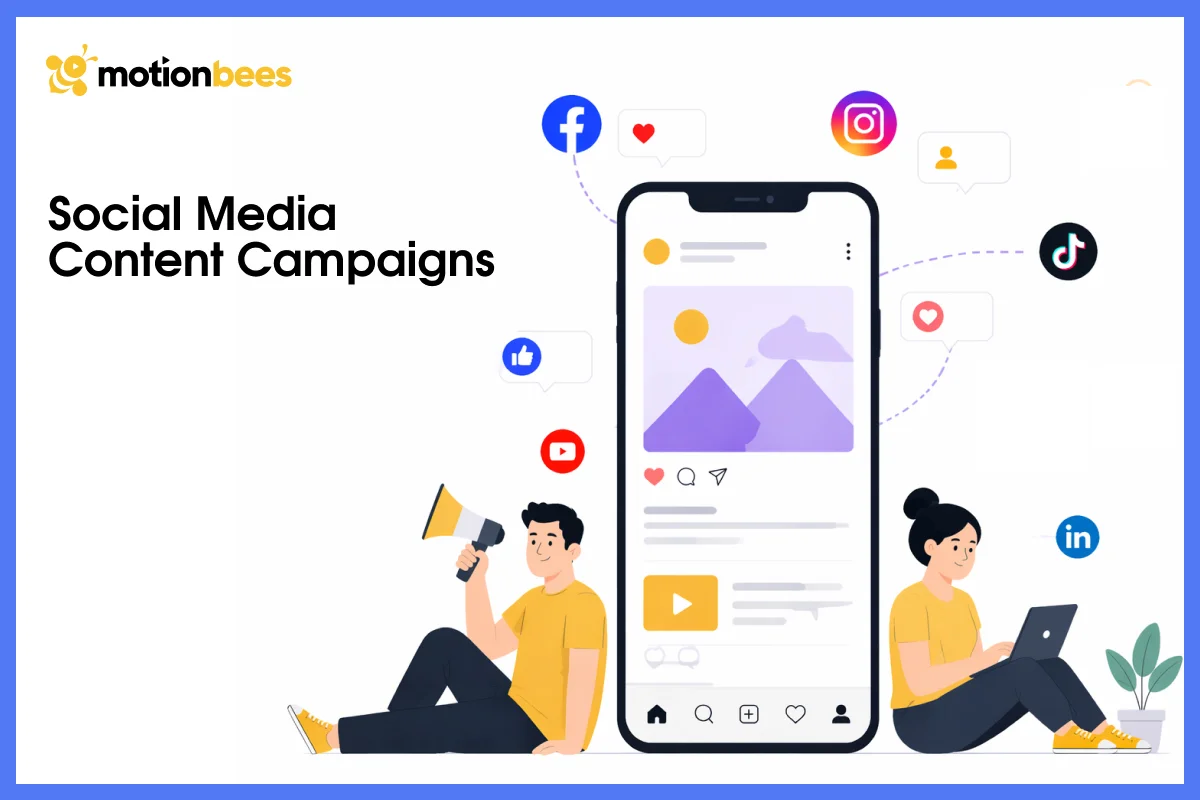
Short-form animated content is widely used by influencers on social platforms. This is the best way to get viewers’ attention as they scroll to videos with in seconds. The use of 2D animation in short form content help people deliver high quality yet simplified visual information.
It suits the 6 to 20 second duration that works for social advertising in 2026. According to a study, 58% of all new marketing video project briefs are in animated formats.
This means, brands don’t need to invest a lot in paid content and also, they do more in return in the form of organic reach.
Startup Pitch and Investor Presentations

For start-up trying to grow, credibility is literally everything. If they want investors, they can turn towards 2D animation to make animated product demo. If the videos communicate, have clarity and strategy, any investor would love to invest.
Animated content transforms conceptual business models into solid visual stories. It does not only educate investors about the product but also how the market works. Moreover, what the brand can achieve through it. For startups, a professional 2D animation can solve so many if’s and buts, providing them with revenue figure on the table.
Healthcare and Education Sectors

Healthcare brands use 2D animation to explain clinical procedures, patient journeys, and complex drug interactions.
This way, the content becomes not only accurate but also accessible to all the learners. Many educational institutions and EdTech platforms are using animated content to improve course completion rates.
If you ask students how they prepare for exams, you will hear them say through videos online. and knowledge transfer. According to Film Division, healthcare providers are investing in professionally made healthcare related videos to deliver informative content in an engaging way.
How to Choose the Right 2D Animation Company?
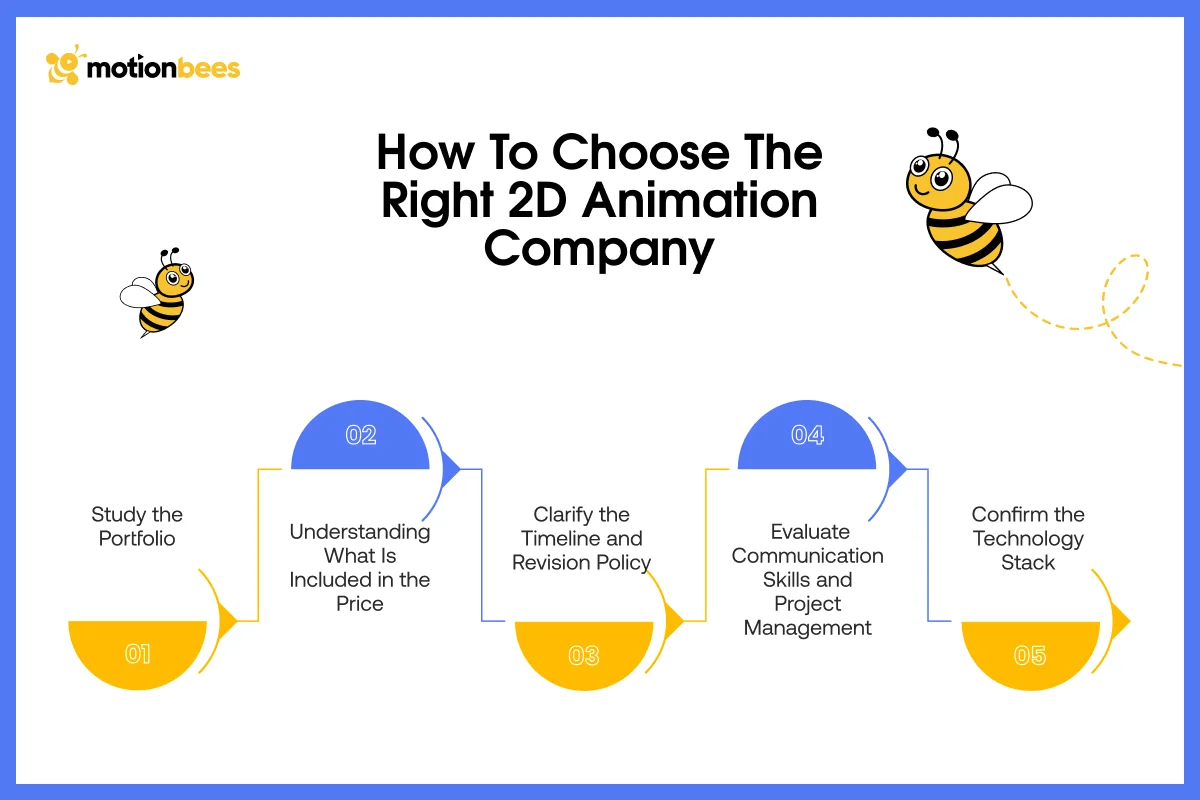
Once you fully understand what is 2D animation and the role of it, you can finally decide to invest in it. Hiring an average animator is way different than going for an exceptional 2D animation studio. It’s not just technical skills that you get but also a creative and strategic mind that can deliver proper outcomes
Let’s discuss how you can evaluate who you can partner with, whether 2D animators or 3D.
1. Study the Portfolio
It’s like a folder where all the creativity and skills are piled up for you to assess. You can look into it and understand if the person or the studio knows what is 2D animation.
Looking around the work they have done can help you figure out if the studio can do your work better. Things like which industry they focused on previously, what is the vibe and the approach, whether the studio can serve your objects or not. If you get all the answers to these questions and still believe that the studio’s portfolio aligns with your brand objectives, hire them.
A personal and customized portfolio where one can get the idea of styles, formats, technical and creative skills can help you choose the correct one. Also, you can also ask for projects according to your scope hoping they have worked on any.
2. Understanding What Is Included in the Price
When you’re sure that the studio is aware of what is 2D animation, you don’t exactly hire but ask questions. Get a quote that include the price range and the services included. Check if the voiceover, sound, custom music licensing and revisions are involved. Some covers everything under the quotation they will offer while others don’t.
Go with the affordable 2D animation services for businesses that offer multiple price points. It is wise to request for a detailed scope, then go on a call to discuss everything to make sure you get the right idea. Do not hesitate as any reputable 2D animation studio won’t shy to provide you with one.
3. Clarify the Timeline and Revision Policy
Usually, an animated video is 60 to 90 seconds long and to make this, it takes about 3 to 6 weeks. This includes the period from briefing to delivery but this might change according to further customization.
Most studio cater to urgent timeline; however, it is important to note that they are usually costly and the chances of error are high.
The process of 2D animation requires multiple revisions, either because the artists often fail to understand the brief or the clients needs revision in storyboard. It is important to discuss the number of revisions offered to save yourself from additional cost.
4. Evaluate Communication Skills and Project Management
The process of animation require communication. This communication needs to be consistent and quick. It takes place between a creative team and the client which affects the final product.
Before you hire someone for animation work, make sure they use proper tools and software to communicate. Software like Jira and Slack to share files, update and communicate so that no information is missed.
Also make sure that the studio handles feedback positively. A professional 2D animation production company will have clear protocols for every stage of the process. You find no ambiguity in animation process or payment.
5. Confirm the Technology Stack
To make 2D animations, animators as well as studios make use of professional tools. You should also know about them to inquire whether they use those tools or not. Some of the professional tools include Adobe After Effects, and TVPaint. These tools are efficient and provide better outcomes.
Also, ask the team specifically about output formats and whether native project files are included in the deliverables.
Looking for Affordable Yet High-Quality 2D Animation Services?
Hire Motionbees for structured, dedicated animation solutions tailored to your needs and budget.
The Future of 2D Animation
The 2D animation is evolving at a fast pace. Today, it is about a smarter, more interactive and more rooted form of animation. Tomorrow, it is going to be quicker and more friendly.
AI Will Make It Quicker and More Accessible
AI is not going to replace animators but take away the repetitive part of their work. It will automate work like lip-sync, in-betweening and background generation. This way, creative teams will focus more on storytelling and design rather than dull work.
AI also helps in making character more expressive. It will help in the transition of scenes, and color grading.
For businesses, this is going to be a huge. It will not only save them from spending a lot but reduce their work timeline without compromising on craft.
Animation Will Be Interactive
The future of 2D animation will be interactive, navigable and customized.
It will help audience by letting them choose their own route with the help of product demos, onboarding flows, and brand storytelling.
In the future, animation will not be used as passive viewing, but an active decision-making tool.
For businesses, it is content that not only informs, but converts. It addresses every viewer, solve their queries within a single animated experience.
2D and 3D Will Become More Integrated
The firm line between 2D illustration and 3D depth is fading away. People are now using the combination of two. They make use of 2D to add human and warm touch and combine 3D with it to add realism and depth.
This hybrid approach does wonders. It provides brands with the visual signature which is difficult to achieve by using either 2D or 3D alone.
The Rise of Short-Animation
The future of animation will be short and mobile-first. They will more customized in every aspect. You know why this will happen? Because all the social platforms reward short form content.
The attention span of viewers is literally seconds. Considering this, a 30 seconds 2D animation video can benefit a lot of businesses wanting to grow and approach their audience. It is not quick to make, but quick to load and you do need a whole strategy to deliver the concept. But, saves time as no dialogues, or live production cost is required.
Conclusion
We started this blog with one question, what is 2D animation? The answer is quite obvious now. Throughout this blog, we also discussed the process, outcomes, tools and how you can select the right studio for your animation work.
Remember one thing, whenever you’re hiring someone for animation work, talk to them and find out how they take animation. Do they take it as creative luxury or a strategic investment?
According to the stated facts, animation is watched by audience way more than static content. It seeps deep into audience brand and makes them convert to you.
Thousands of businesses are using animation to make their content, using it for their marketing and communication.
Whether you need animation for your business or not depends on what kind of issue you want to solve. If you explain your product, there is no better way to explain it than through 2D animation.
It is an illusion of motion given to 2D objects. First, the frames are made either by hand or using computer. Then they are all played at once to add an illusion of movement. For one second of motion, 24 frames are made and play together. In this whole process, animators also make sure that each frame led to the next without losing the context.
2D animation is a flat X-Y plane with no depth dimension. In 3D animation, the objects are modelled in 3D with volume, depth, and realistic lighting. 2D is cheaper and quicker to create while 3D is fit for visualizing products, and interactive applications where realism is paramount.
There are five major kinds. The first is frame by frame which is the traditional kind. Here, the frames are made using hands or digitally. Then comes digital cut out which is more of a rigged or puppet like animation. On third, there is motion graphics. It is widely used by educational sectors and gaming industry. This adds life to every non-living object, even expressions. At last, there is rotoscoping which is a visual effect technique where animators trace over live action motion frame by frame.
From SaaS to healthcare, and e-learning, 2D animation can be used in all types of industries. And it serves the purpose everywhere, even in nonprofit organizations.
If you need a 60 to 90 second animated video, it will cost around 1500 to 10,000 USD. But with more complex features and process comes more pricing. It is important to discuss the work, timeline and pricing beforehand to avoid any issues later on. At Motionbees, we offer transparent pricing without any hidden charges.
A video that lasts 60 to 90 seconds takes about 3 to 6 weeks. For longer videos, it takes about 12 weeks. You can ask for rush productions but they are costly and takes a lot of your attention.

Hafsa Hanif is a talented content writer at Motionbees, Webnhubs and Artisticore specializing in topics such as graphic design, web design and development, logo design, and animation. With her deep understanding of design principles and creative processes, Hafsa crafts engaging, informative, and SEO-optimized content that resonates with readers. Her expertise in SEO ensures that her articles not only captivate audiences but also rank well on search engines, helping businesses boost their online presence through compelling design-focused narratives.
