- What Is Meant by One Piece?
- The Early History of One Piece Animation
- Manga by Eiichiro Oda: Shaping the Anime’s Early Look
- The Traditional to Digital Animation Shift
- One Piece Aspect Ratio
- When Does the Art Style Change in One Piece
- The Timeskip Era: An Era of Visual and Narrative Restart
- Dressrosa and the Reality of Weekly Production
- Wano Arc: The Big Switch in Animation History
- Different Approach in One Piece Animation Style
- One Piece Animation: Digital or Hand Drawn?
- The Benefit of One Piece Evolution to New Viewers.
- Why Long-Running Series Must Evolve Visually
- Lessons for Teaches Creators and Brands
- Viewers POV for One Piece
- The Use of Tools in the Evolution of One Piece Animation
- Animation Tools are Important to Viewers
- The Relationship of this Evolution to the Current Animation Brands
- The Future of One Piece Animation
- Add a Wow Factor in Animations
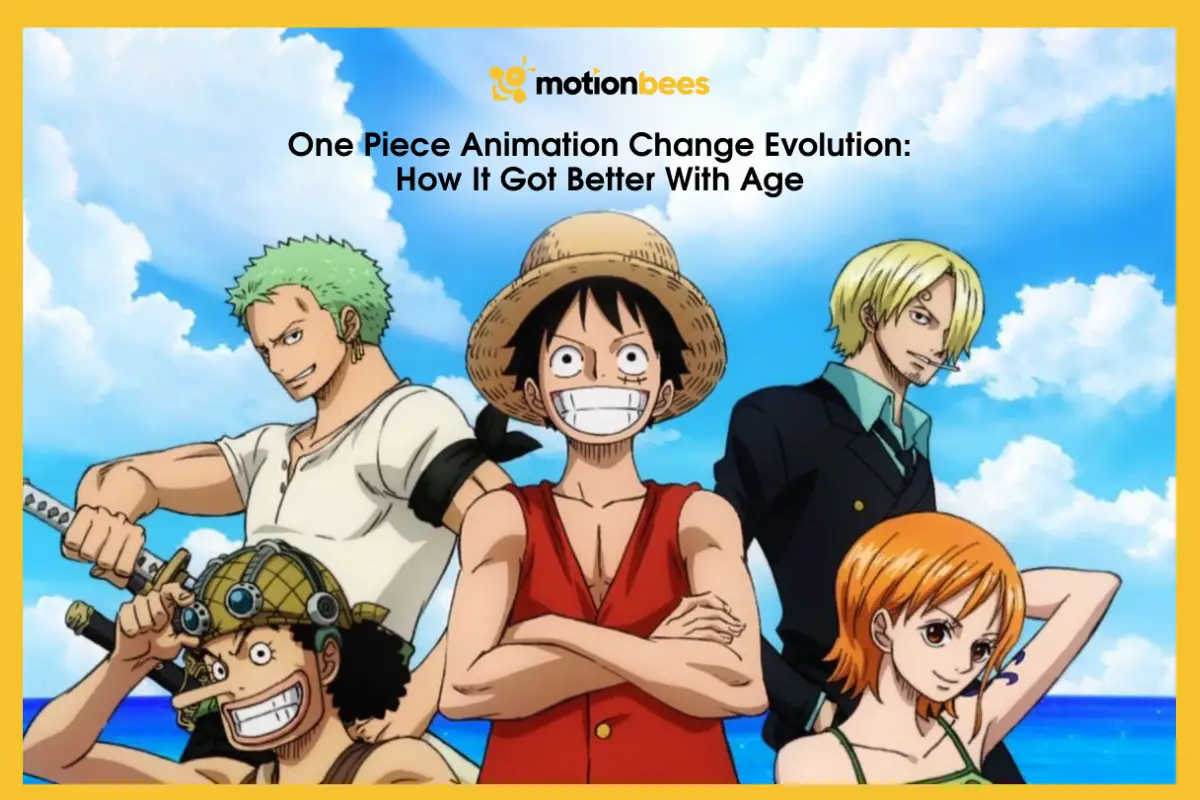
If you ever googled when does the one piece animation get good, you are not alone. A lot of us who are big fan of one piece animation have done that.
You are not alone in the list of people who have ever typed the question of when One Piece animation is good in Google. It is one of the longest anime shows of all times with more than 1000+ episodes and fan worldwide.
The fans do wonder is one piece hand drawn or not which is what we are going to discuss in this blog. The blog discusses about new one piece animation style and how the characters in starting episodes look incredibly different to those appear on the screen now.
Well, it is important to study how one piece animation change evolution to understand the reasons why it varies, and whether it is worth spending time on or now.
What Is Meant by One Piece?
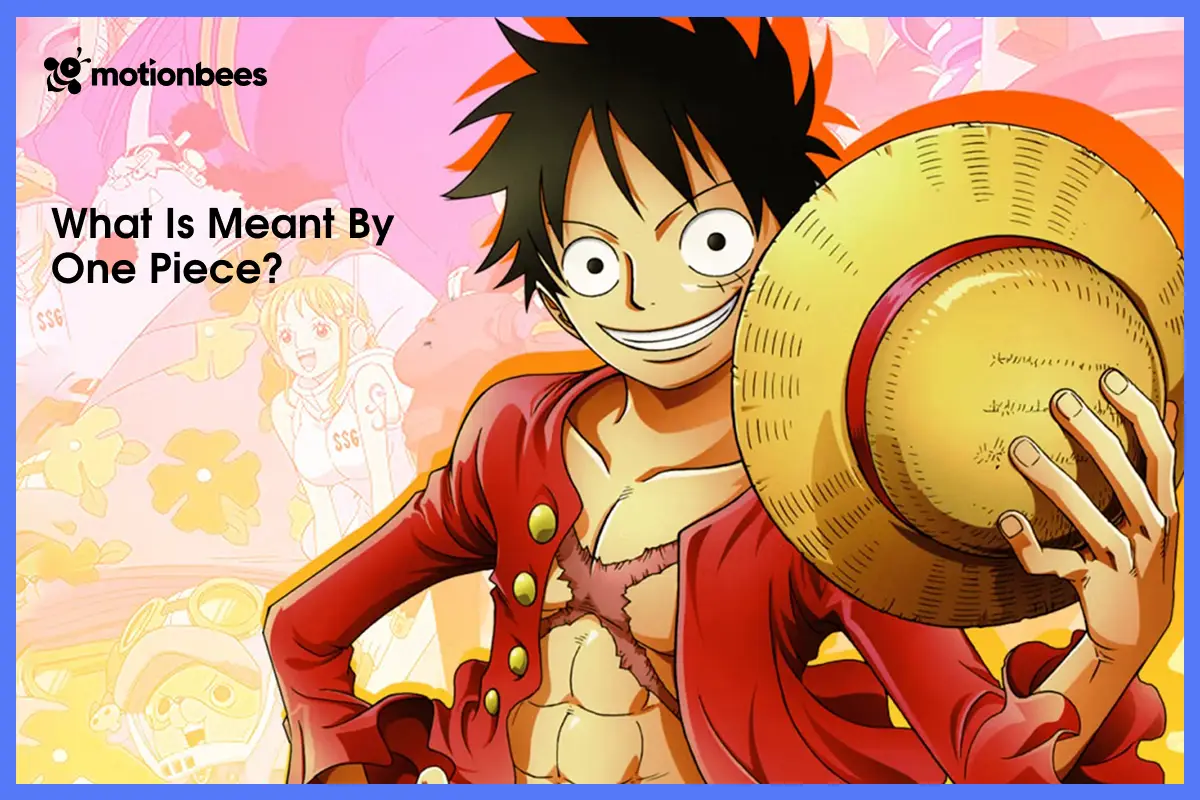
One Piece is a highly successful Japanese manga and anime series, created by Eiichiro Oda. It is the story about Monkey D. Luffy and his crew of pirates. They are all finding the largest treasure known as the “One Piece.” This show has brought massive fortune and renown. It is a favorite show since it is full of adventure, emotions and memorable characters.
The treasure is what gives the show its name, One Piece. The story of One Piece is not just about money. It is about dreams, freedom, and the purpose that encourage Luffy and many other pirates to sail along the Grand Line.
If you are a fan of one piece, you must be aware of one piece old vs new animation and how one piece quality change over the time.
The Early History of One Piece Animation
This was not the case when One Piece premiered in 1999. TV shows were made by hand, had a limited number of animations frames each week, and had strict deadlines. Toei Animation produced One Piece according to the industry standards of that time.
Previously, animation was thick-lined, with simple shading and flat colors. The action was not very smooth, but characters made large facial expressions to compensate. This added the charm and personality to the show although it was not as slick as shows nowadays.
Now those who watch now feel the gap. Audiences now want 3D animations with cinematic effects. This explains why viewers wonder when does One Piece animation get good after binge watching the first few episodes.
Manga by Eiichiro Oda: Shaping the Anime’s Early Look
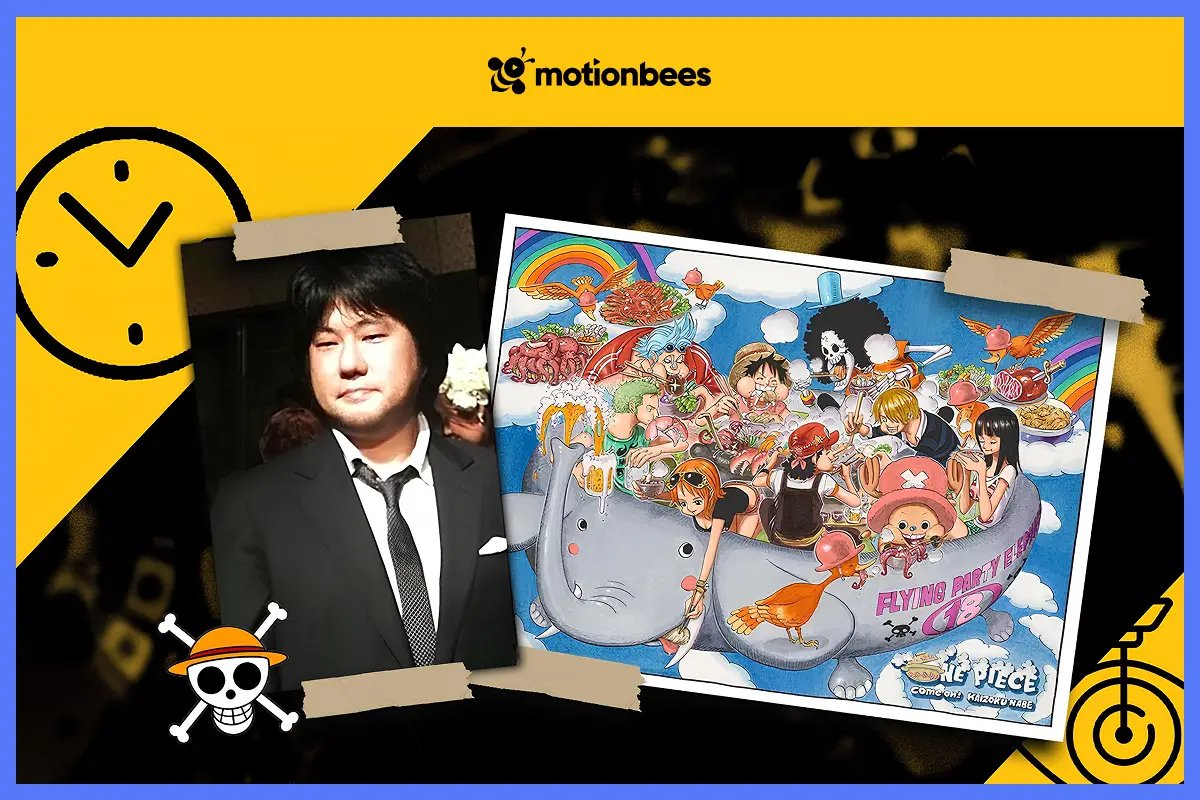
The anime appearance in the early years was determined with the help of Eiichiro Oda manga. His art does not depict real pictures but rather employs vivid faces, large body forms, and simple emotions. Toei Animation decided to retain that style rather than experiment with new technology.
This loyalty contributed to the establishment of One Piece as an identity. It was a funny and expressive show filled with personality. But as the story grew dark the look had to change as well. The fight between remaining close to the original style and transforming the visuals is the very essence of the changes in One Piece animation.
The Traditional to Digital Animation Shift
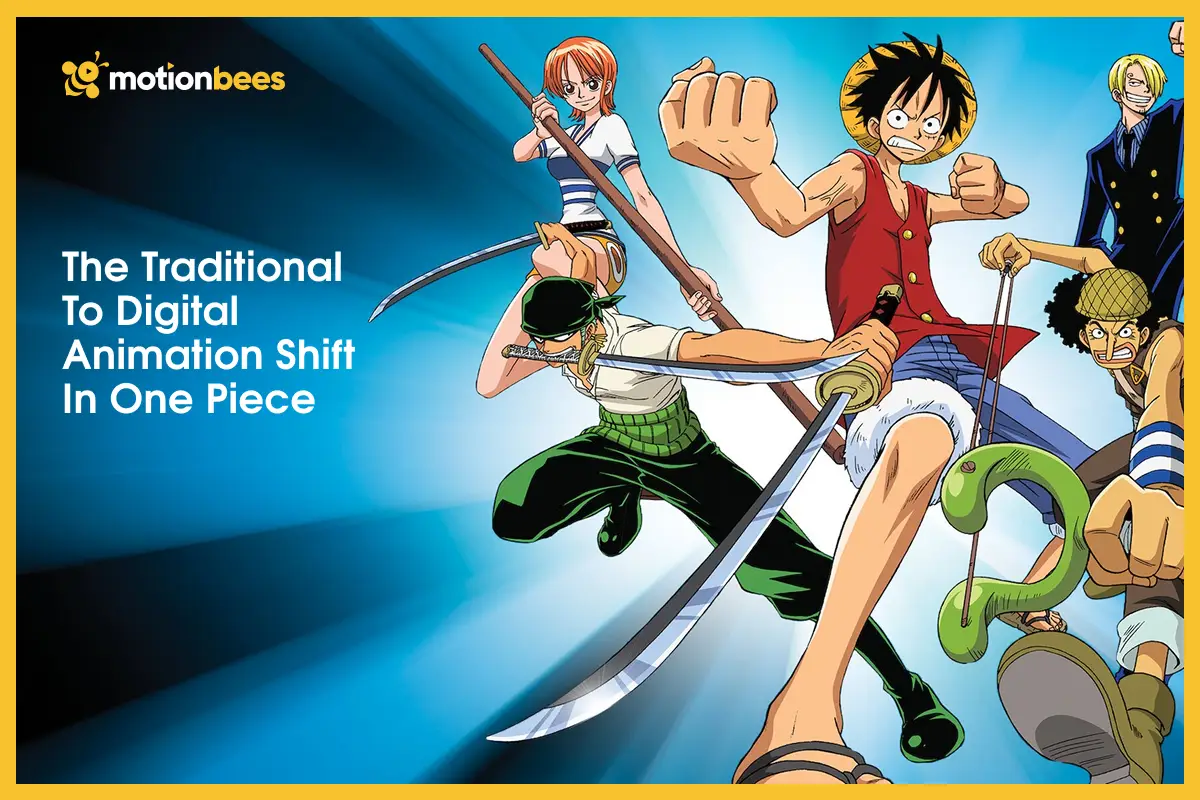
One of the most important events in the history of One Piece was the transition to digital. The initial episodes were in traditional cel animation. Digital tools later replaced a lot of the jobs done by hand.
The shift did not immediately increase quality. Manufactured digital work was not always smooth. However, with digital approaches, there were more options. Shadows were cleaner. Fixes were easier. Effects would be cumulative without having to re-draw entire scenes.
All this improved One piece animation quality, although viewers did not notice significant changes initially.
One Piece Aspect Ratio
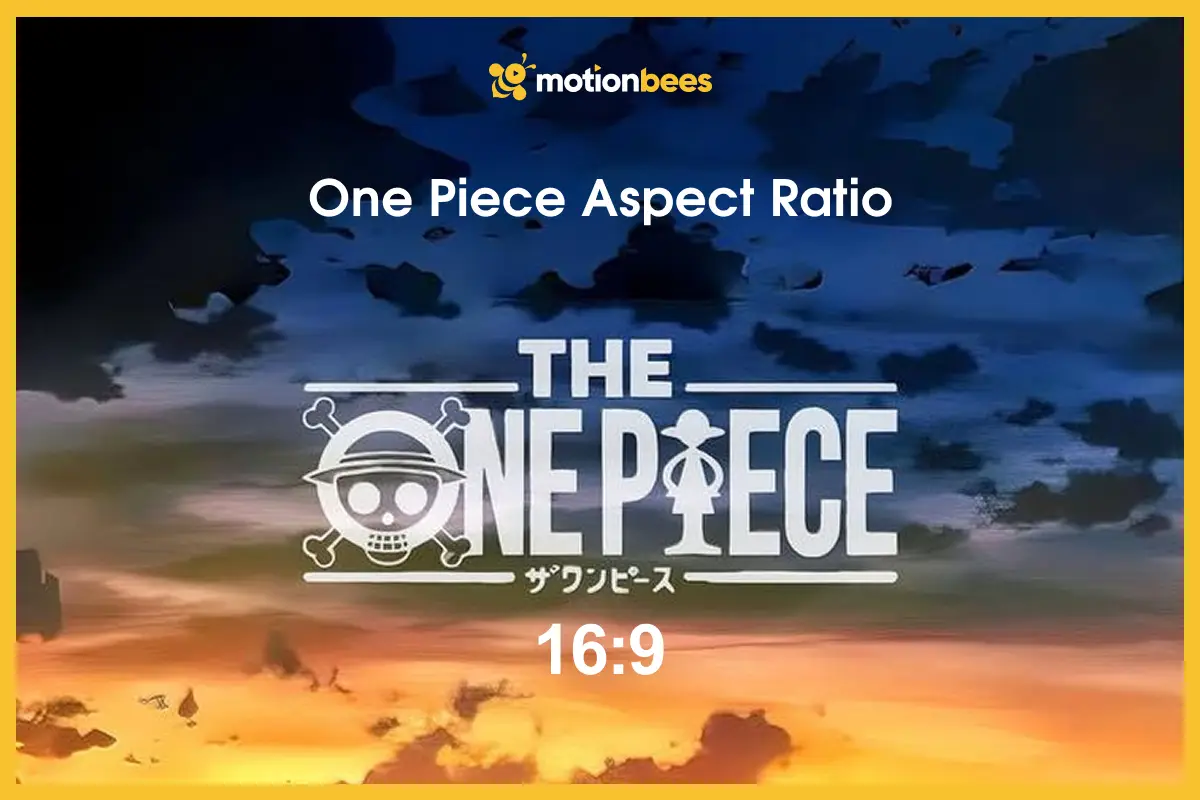
Initially, the ration ratio was 4:3 which then changed into 16:9. This has played an important part in how One Piece animation change evolution. It came in the 207th episode, the shift from early TV screen to HD television.
The shift was broad but the audience were able to notice it easily. It was also the first time anime was all over the modern television. There were no black bars on the sides which made the watching experience more immersive, and cinematic.
The film and anime makers able to freely deliver one piece new animation style, showing vast sceneries, bigger battle scenes and more 3D characters in a frame. The storytelling of cartoons one piece animation took a wide jump which answers most of the audience when do the graphics get better.
When Does One Piece Change Aspect Ratio?
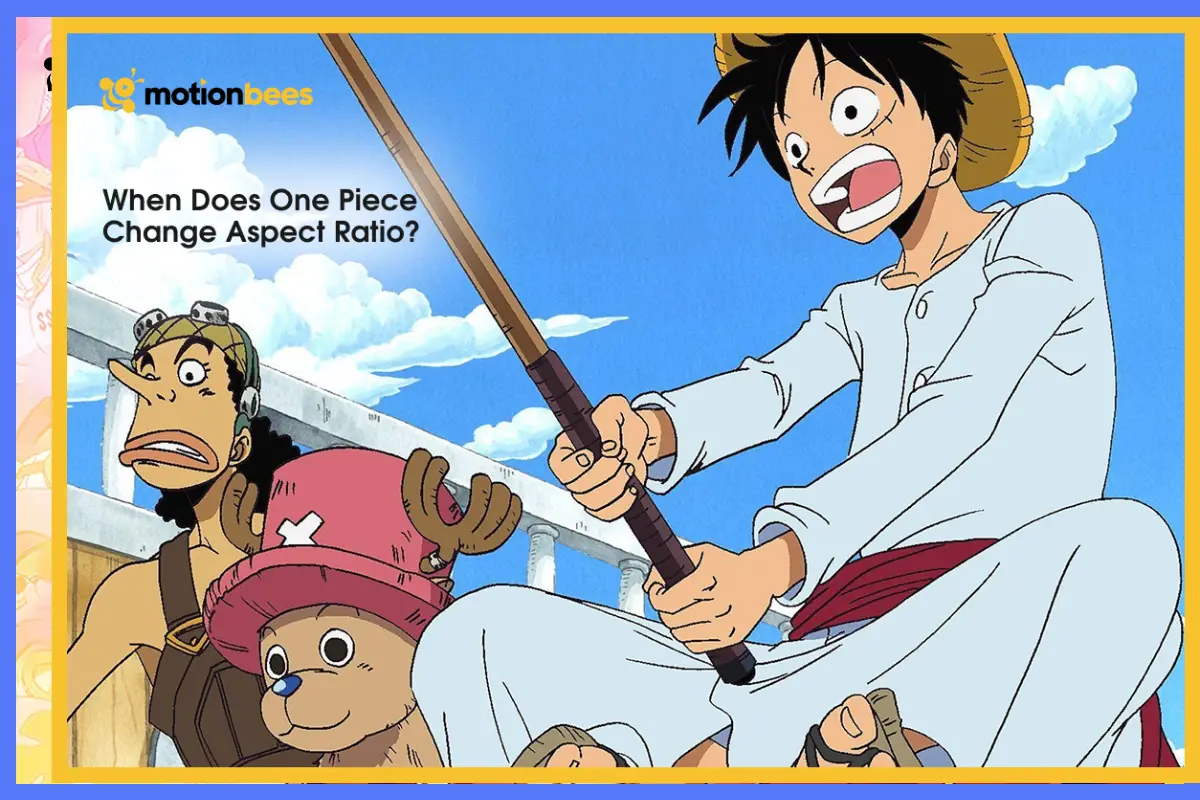
The first 1-206 episodes were in 4:3 ratio. They were then redesigned in 16:9. Even after redoing them, most of the details lost their charm. From Episode 207 to onwards, the anime was produced in 16:9. As a fan who loves to study how One Piece animation change evolution, you will notice how the graphic look completely optimized. They fit the modern screen, providing a better experience.
It is important to know that these formats did not change the animation overnight. It took time, efforts and a lot of will. Now, it will continue to evolve and the audience will see far better changes in 3 piece the animation 2026
When Does the Art Style Change in One Piece
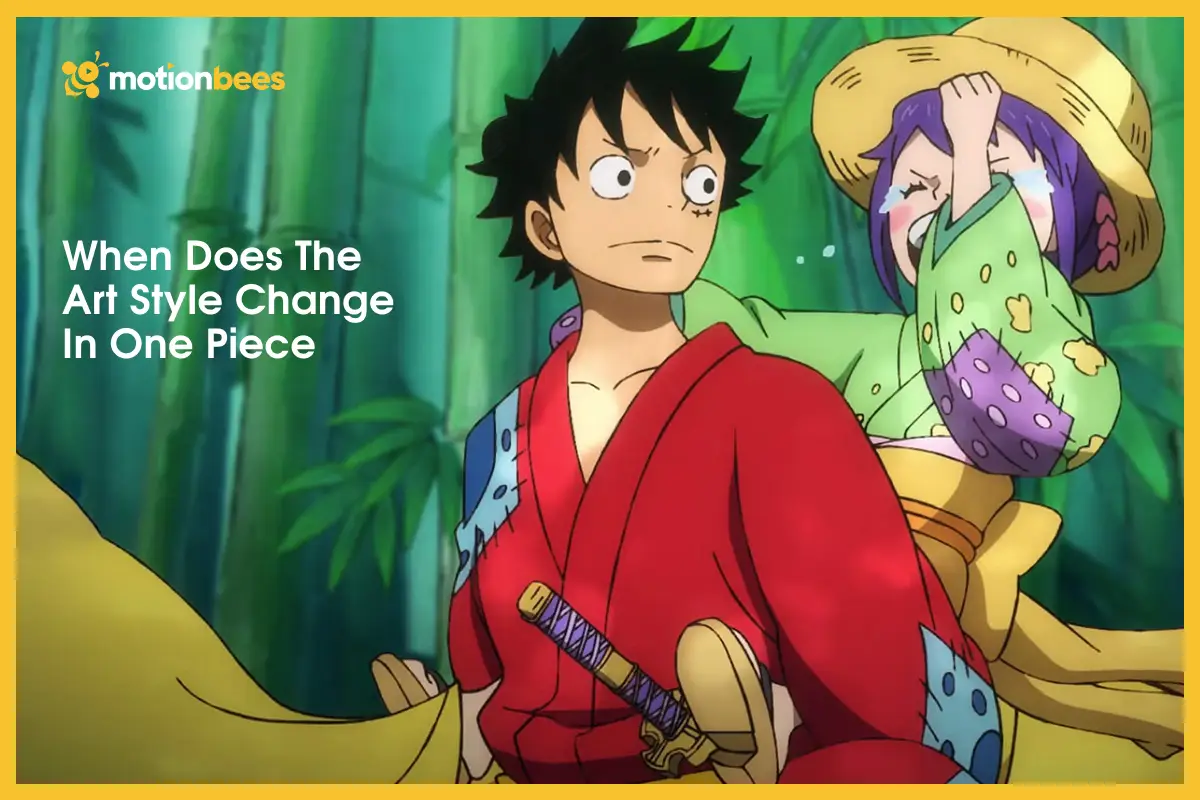
This is one of the common questions and we need to have a definite answer to this.
Nearly all people will tell you that the animation becomes reliably good at the Wano arc, around episode 892. The answer to when the graphics get better, the answer is Wano.
To the majority of viewers, One Piece art style change start with the Enies Lobby arc.
The fans felt that the animation began to feel more real, emotional and clean. According to them, the animation felt satisfying at last.
With time, One Piece animation change evolution. The anime had a modern appeal with sharper designs, and more digital shading. With all the advancement, the quality may still fluctuate due to the pressure of weekly production.
The Timeskip Era: An Era of Visual and Narrative Restart
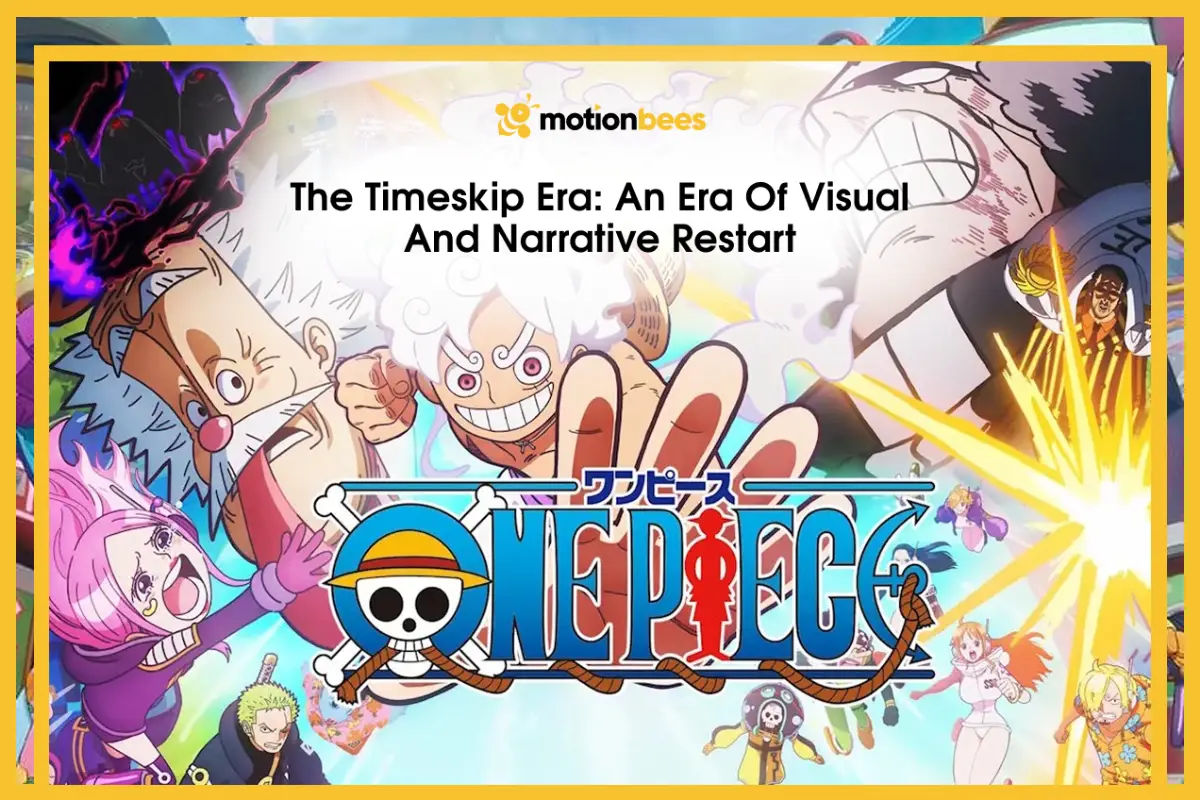
The two-year time gap was not just a restart of the story, but a restart of the appearance as well. Characters reappeared with improved, finer designs. The line work was cleaner with more use of bright color. Moreover, the movement of characters become smoother.
This era confirmed that One Piece animation change evolution in terms of characters aesthetics. There were still some issues with the pacing and consistency but the general direction was evident. The animation took a wide turn, became more modern and newer.
This is why when people wonder when does One Piece quality get better, the post-time-skip period appear as a breakthrough.
Dressrosa and the Reality of Weekly Production
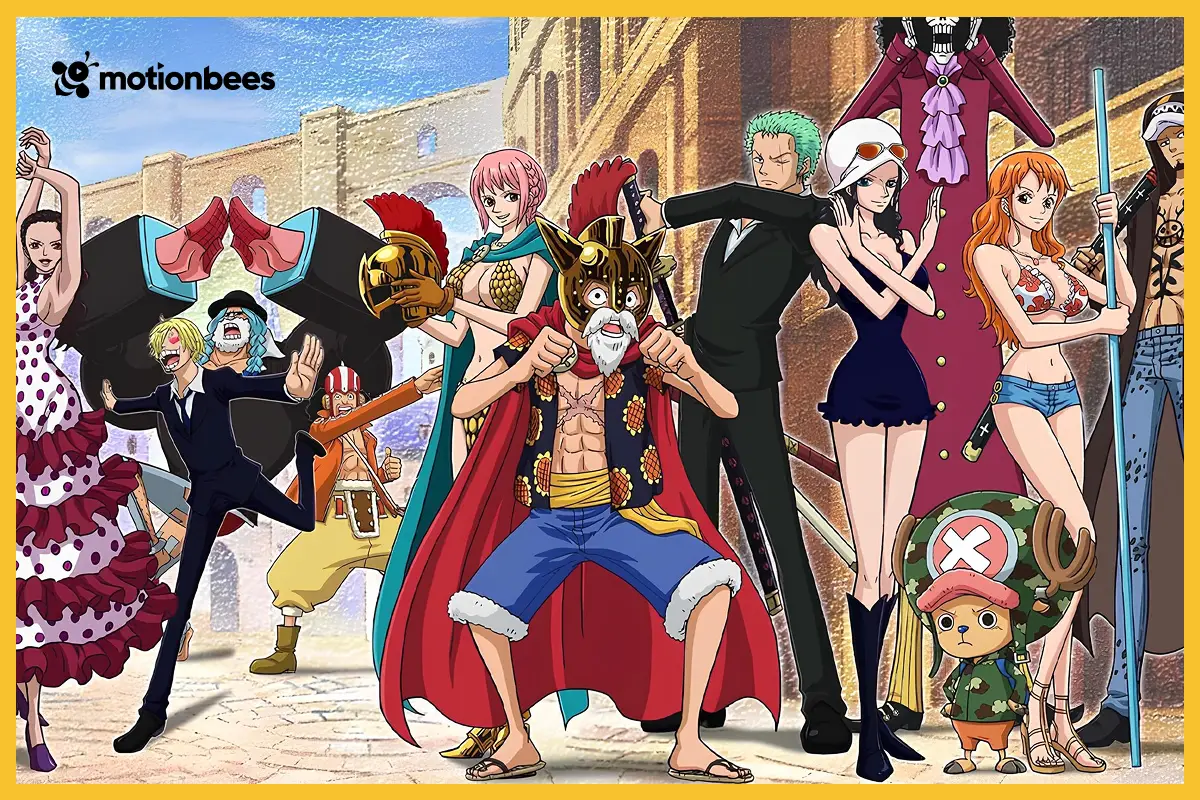
The animation process was never that simple. The Dressrosa episode of One Piece is significant since it reveals the issues of creating an anime on a weekly basis. The animation was lovely but the quality of drawings was different due to the lack of time. That is why not all fans were happy despite of the changes. This is one of the reasons why Toei Animation change their way of working which resulted into quality outcomes.
Wano Arc: The Big Switch in Animation History
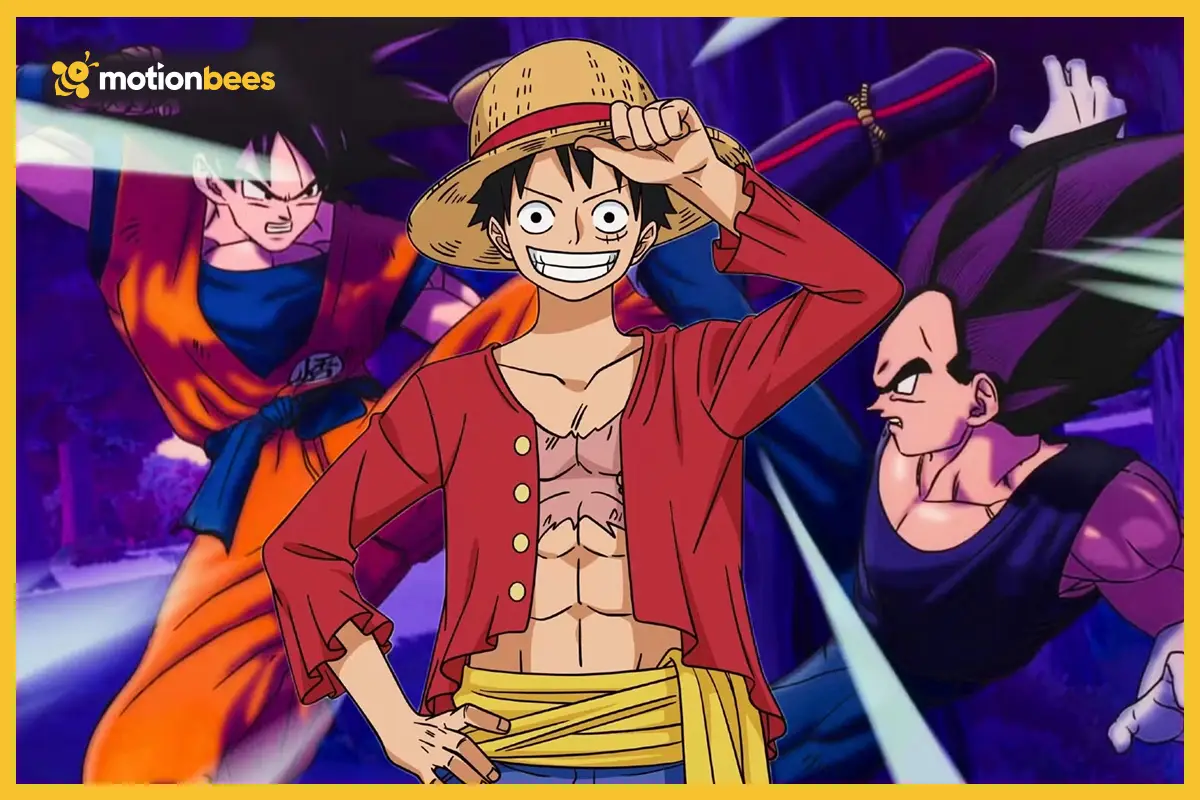
When discussing how One Piece animation change evolution, Wano section is studied the most. This Wano section was influenced by ancient Japanese art which you often see in anime films. In this section, the creators added bright color, change camera settings and introduced new effects.
After these changes, the fight scenes were more expressive and smoother. Soulful scenes looked more cinematic. The use of picture layout and lights kept the focus on the viewer.
So, the answer to when does one piece graphics get better is Wano. Why? Because, from there the animation became much better and it was also the first time, fans felt the good change in the animation style.
Different Approach in One Piece Animation Style
The new One Piece animation feels like a movie because of the use of film animation techniques. The camera moves more. There is a use of action frames that makes things more powerful. They are using light to just illuminate but to add feelings.
The new One Piece does not just show how characters move; it also displays how they feel. This simplifies fights, makes emotions clearer and the world more real.
One Piece Animation: Digital or Hand Drawn?
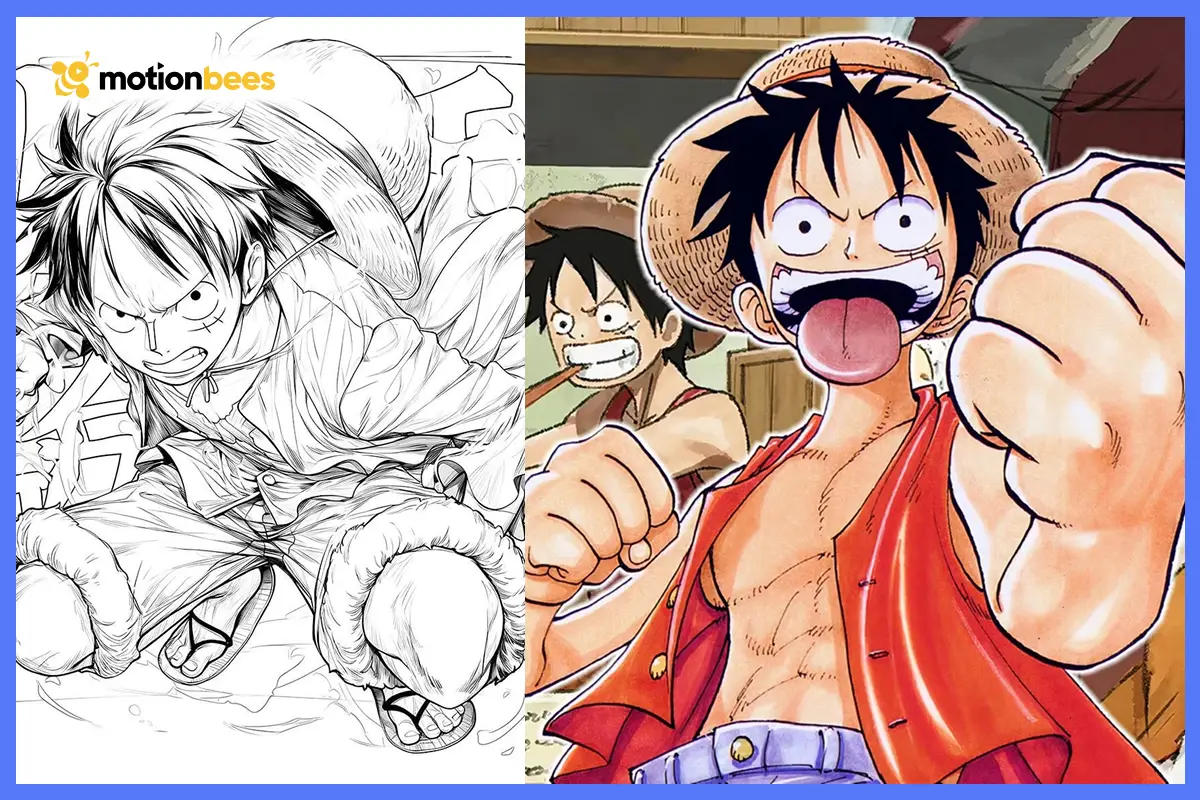
People are thinking that One Piece animation change evolution refers to use of digital tools and not hand-drawn ones. That’s not true, it is both the traditional and the modern touch. There is hand work in designing character sketches. All the shading, light and special effects is digital. This way, we experience better both the movement and the expressions are enhanced and the essence of hand drawing still remains.
The Benefit of One Piece Evolution to New Viewers.
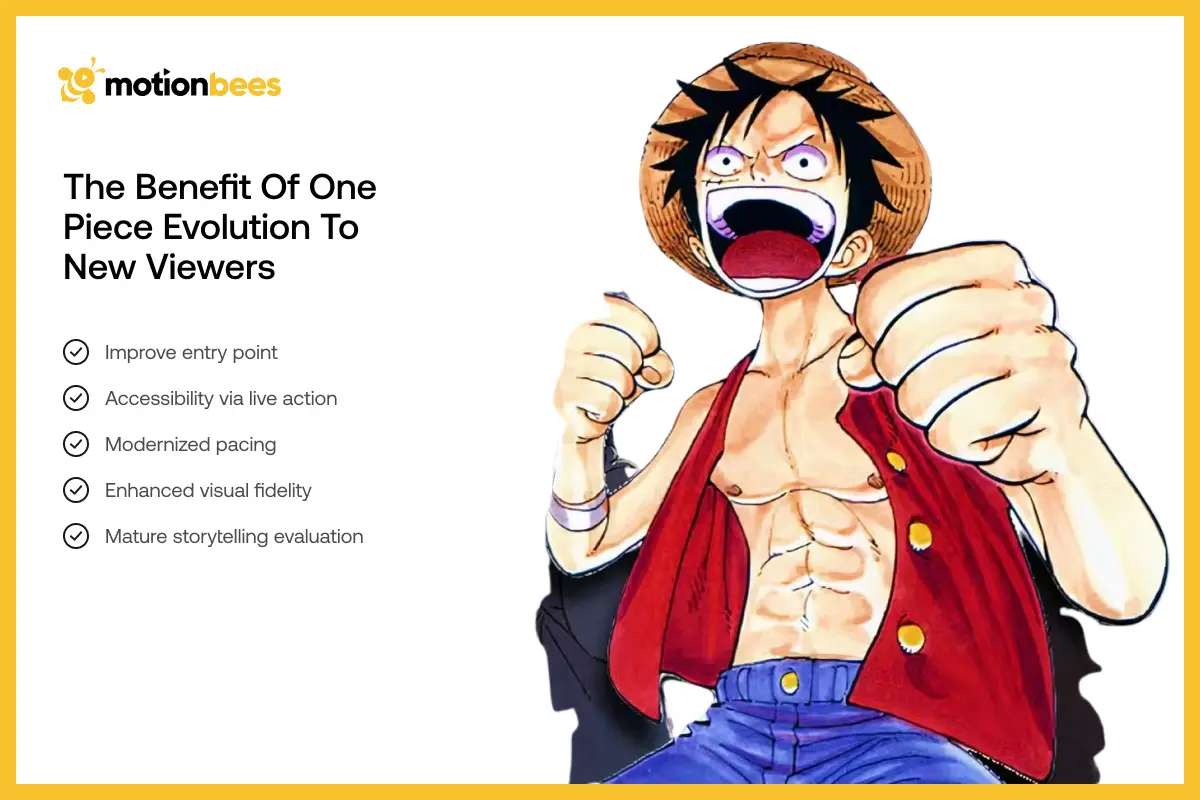
Nobody wants to watch the same old style with errors such as poor resolution, light and effects. Animation style determines whether the fans will remain loyal or not. If you play around with the old techniques, you may frighten people.
The One Piece series is quite long with 1000 of episodes so One Piece Animation change evolution was the perfect approach. With this change, fans are more engaged as they feel loved and accepted, introduced by the new characters and style. It is not only satisfying users but also performing well on the search engine.
Why Long-Running Series Must Evolve Visually
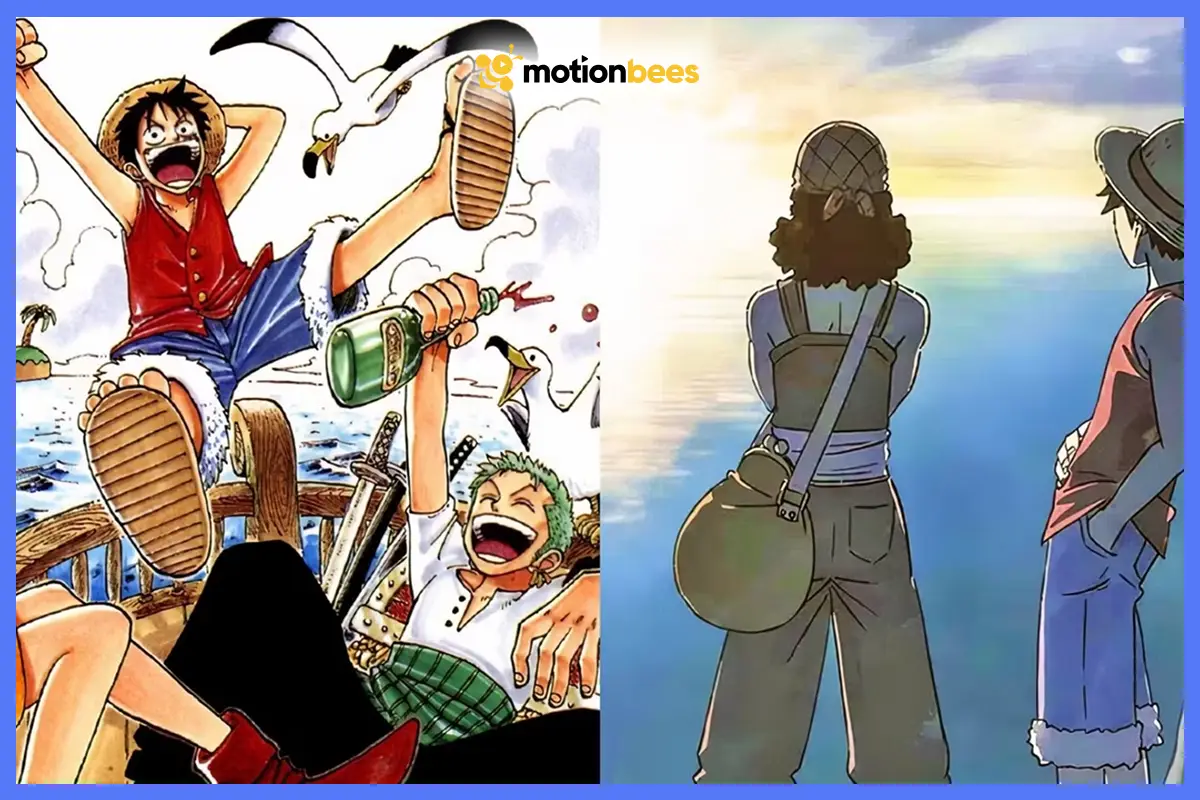
One Piece’s success shows that visual evolution is not optional for long-running series. Staying static risks losing new audiences. Changing too much risks alienating loyal fans.
The strength of the One Piece evolution lies in balance. The anime upgraded visuals while preserving character identity and tone. That balance is why it continues to thrive decades later.
Lessons for Teaches Creators and Brands
You don’t have to leave your brand identity in order to grow. Changes do not happen overnight as it takes years and years. You just have to be consistent and loyal to your voice.
Instead of being eager to change in one night, keep on working and experimenting. One Piece animation change evolution is the results of last more than twenty years. Every update revolves around consistency and the fans stayed loyal because they felt familiar.
Keeping a consistent visual identity is important, not just in animation but in any kind of work you do. You can only grow gradually and if you do this, your progress won’t push your audience away.
Want to remain culturally relevant just like One Piece?
An animation design company.
Viewers POV for One Piece
The Most Disliked Animation Styles
Fans still remember some of the One Piece arcs because of its storytelling. But the arcs displayed in the year 1992 to 2002 are also criticized because of animation. Because they had to deliver episodes each week, there was no focus on the movement, color or background and fans felt that. They found them interesting to watch but not new and modern to appeal.
Then, some of the early episodes of Dressrosa are also not liked much. Although the story was amazing but the viewers did not regard as much as they valued One Piece arc. Why? Because of poor pace, repeated frames and less character movement.
All this had put pressure on the animators and production team so that they focus on both the story and visuals.
The Most Liked Animation Styles
There is Wano arc which is still regarded as the best of One Piece animation. Critics still regard its lighting, fluid action scenes, expressive face animation, and adventurous color style.
The unique visual tone and the proper use of colors put Whole Cake Island on the high rated list. Furthermore, the use of vivid visuals and the play of colors in the arc of Egghead is also praised a lot.
What made them unique is the use of latest technique. The did not compromise on visual storytelling and did well planned upgrades overtime. All these has changed the way how viewer saw One Piece animation change evolution.
Why Viewers Rankings Matter?
Fans do not rank without doing proper research or just because they feel like it. They go through social media posts, study the forums and animation debates before giving a verdict. If you are new to animation, you can study the arcs and which ones deliver more realistic expectations and enhance the overall viewing experience.
Inspired by One Piece’s animation evolution?
At MotionBees, we turn great ideas into powerful animated visuals.
The Use of Tools in the Evolution of One Piece Animation
The Traditional to Digital Animation
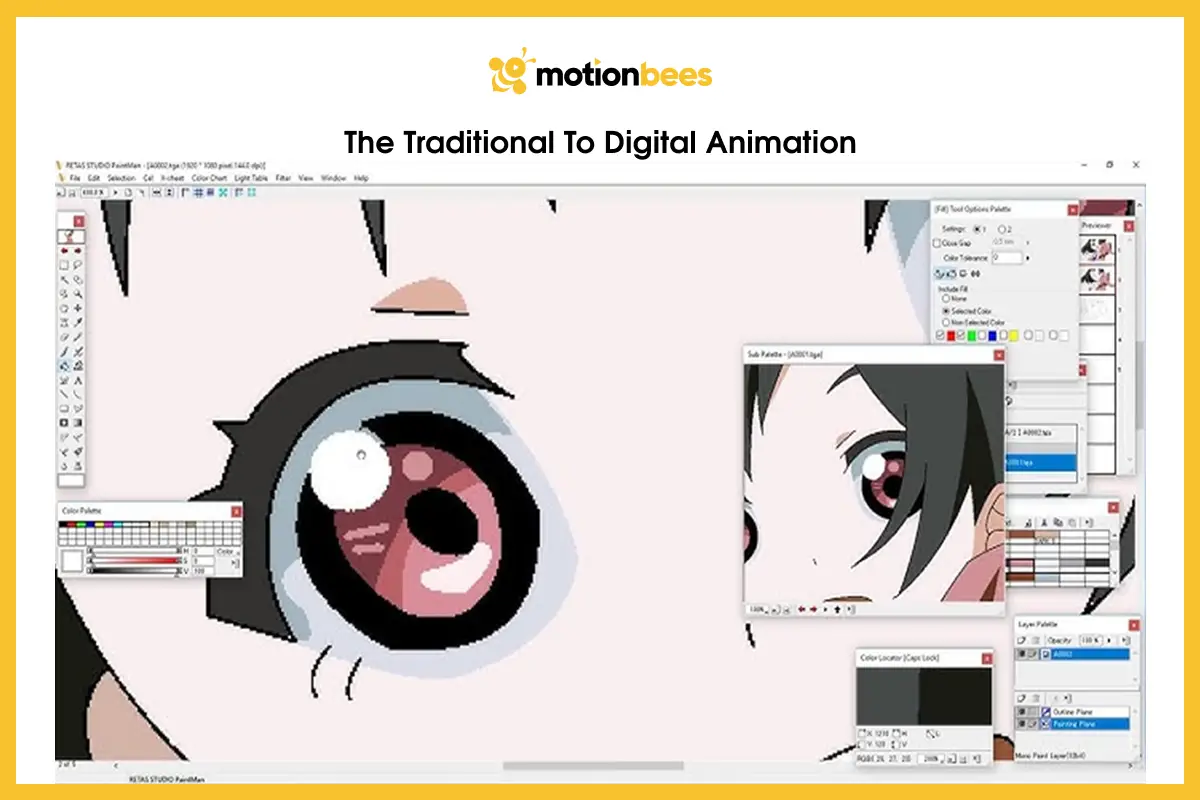
The initial episodes of One Piece were based on classical cel animation. Although it was expressive, this approach was restrictive to efficiency and consistency. With the improved technology, Toei Animation shifted to digital ink and paint including RETAS Studio and Toonz. These tools made it possible to have cleaner lines, quicker coloring and enhanced visual consistency within episodes.
Hybrid Animation Techniques (2D and 3D)
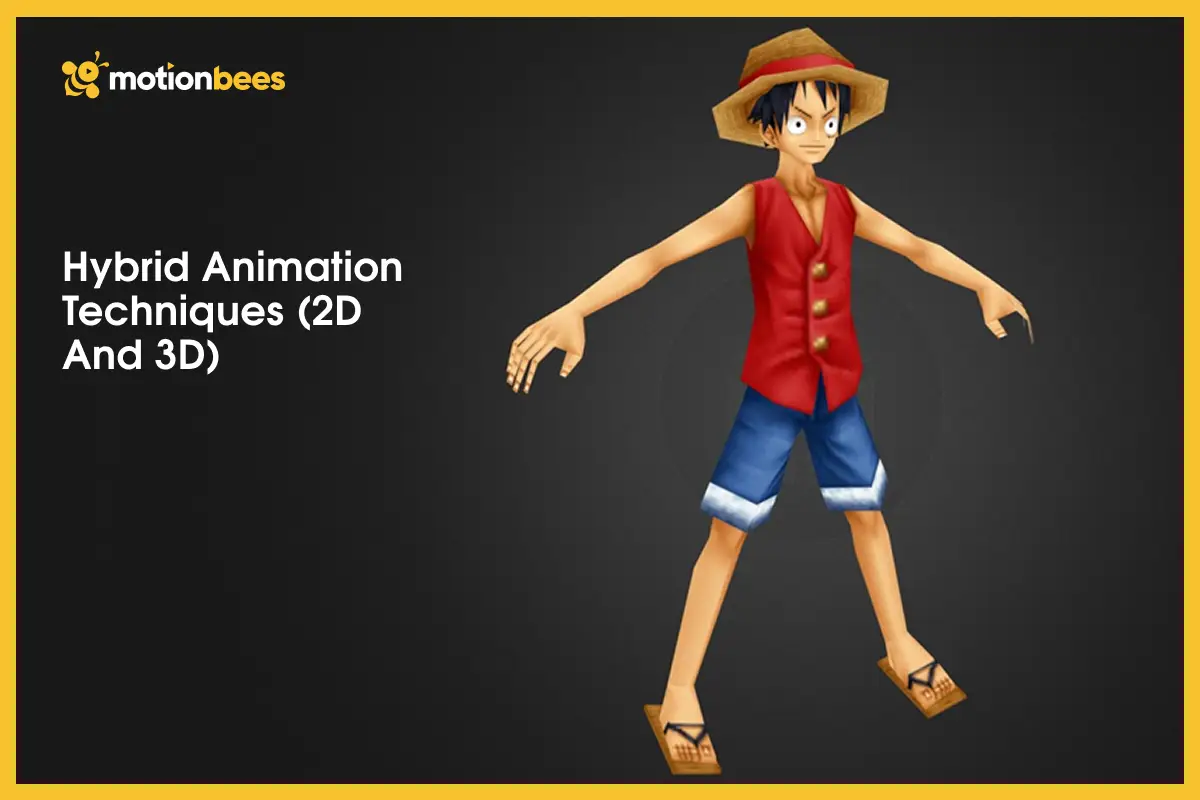
The current One Piece anime combines hand-drawn characters with 3-D effects. The 3D models used in backgrounds, ships and environmental details are usually stylized to fit the 2D art. It gives it a layer of depth and enables active camera motion without compromising the classic anime look.
Motion Graphics and Visual Effects
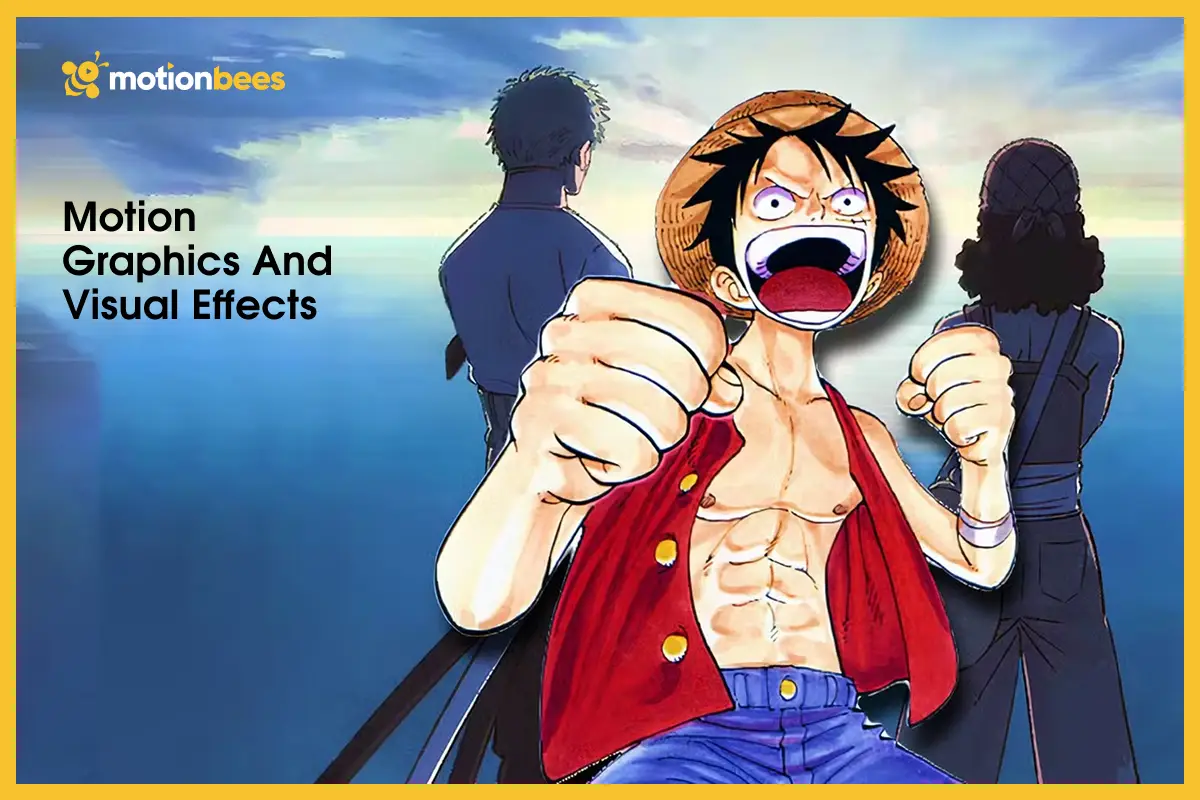
The use of motion graphics is significant in the improvement of contemporary One Piece episodes. The lightning, water, fire and explosive effects are refined with the help of advanced compositing tools. These improvements allow the action scenes to be more realistic, and to bring out power, speed, and emotion in a better way compared to previous methods.
HD Production Workflow
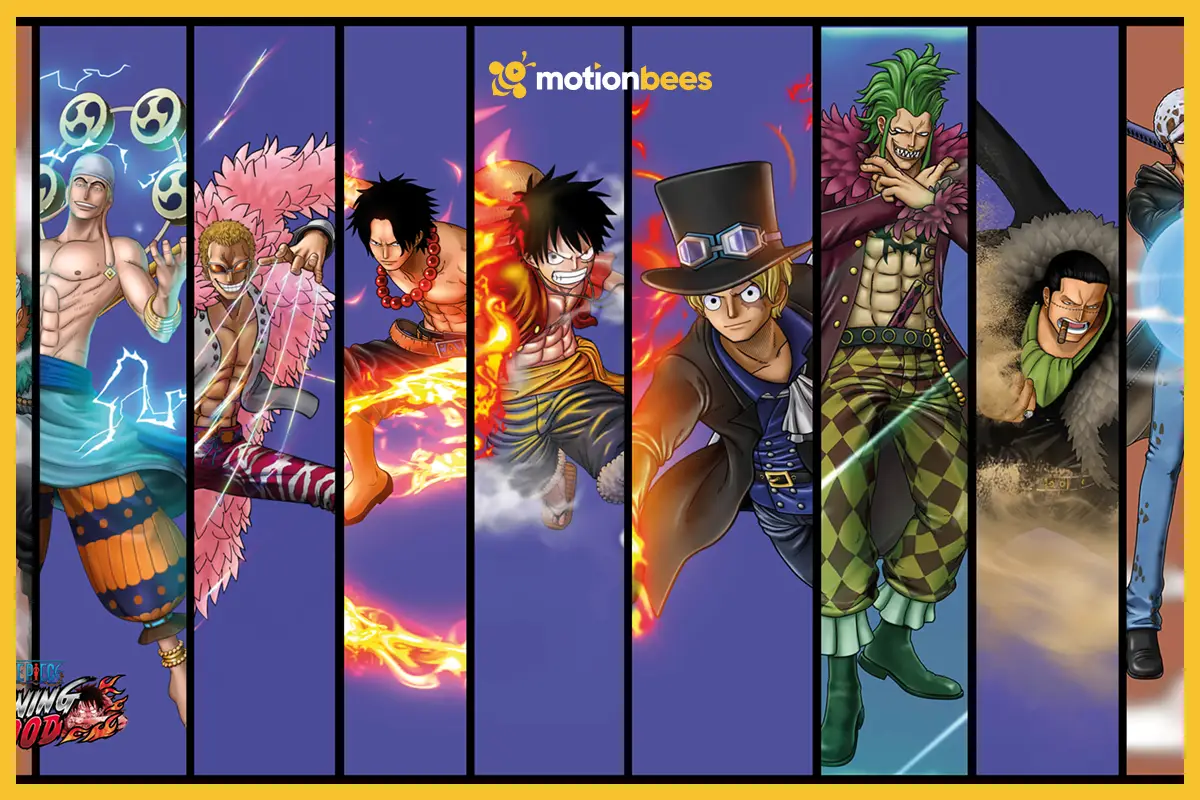
The transition to high-definition broadcasting demanded absolutely new production pipelines. Better compositing and color grading enables lighting to be more realistic in terms of mood and atmosphere. Emotional scenes are warmer or darker based on the tone of the narrative, which made the episodes cinematic, and its early arcs were unable to do.
Sakuga and High Impact Animation Moments
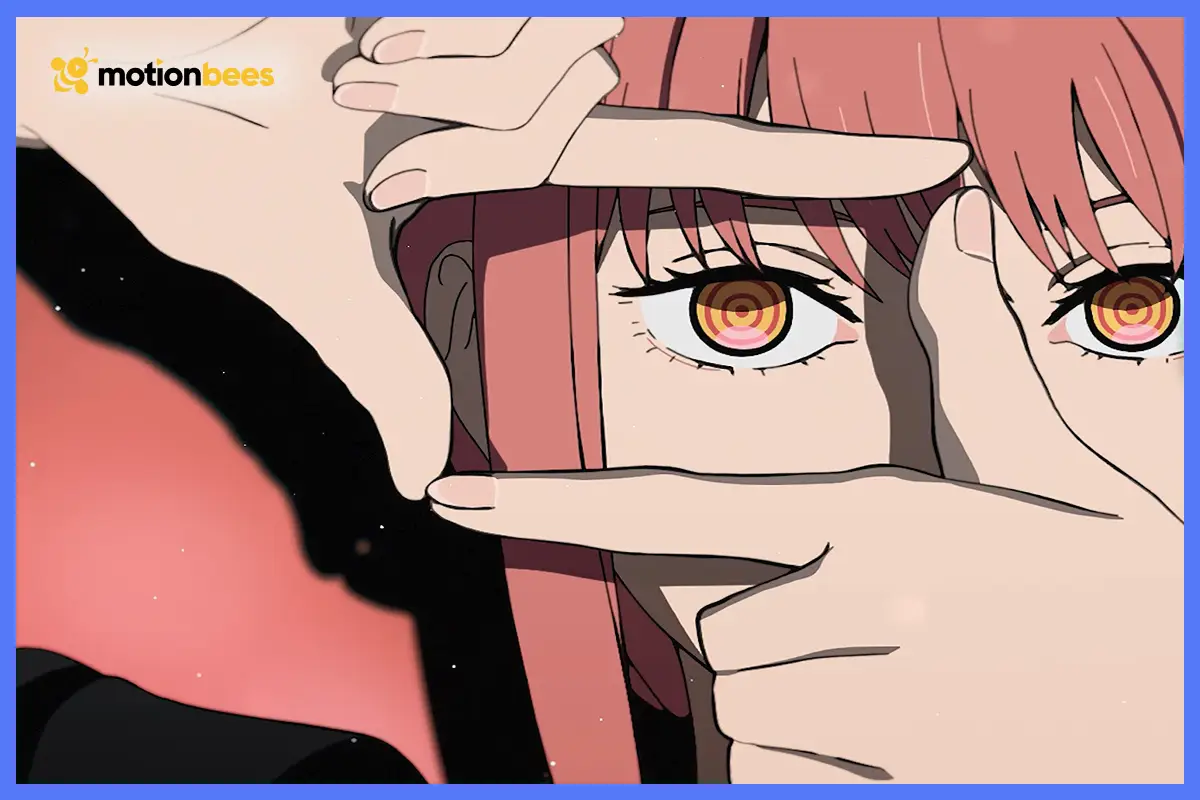
Sakuga are scenes of exceptionally smooth animation by expert animators. It is now a strategic choice by One Piece to sprinkle sakuga in major fights and emotional climaxes. Such sequences, particularly apparent in the Wano and Egghead arcs make episodes feel like movies, despite their weekly release schedules.
Animation Tools are Important to Viewers
The instruments used in the animation of One Piece have a direct impact on the viewing experience of the audience. Fights are easier to track when they move in a smoother manner. Better lighting is an added advantage in emotional scenes. The world is alive because of detailed environments. These improvements make the visuals less tiring and enable the viewers to enjoy longer binge-watching periods.
The Relationship of this Evolution to the Current Animation Brands
One Piece is an example of how visual development is supposed to support the story, not to substitute it. The anime only adapted new tools when they added value to the story. This attitude is a must-have in brands that use animation today. The message should be supported by visual improvements and not diverted.
The same technique is used by Motionbees which is integrating creative storytelling with the latest tools of animation. It is not only about the improved visuals, but the enhanced connection with the audience.
The Future of One Piece Animation
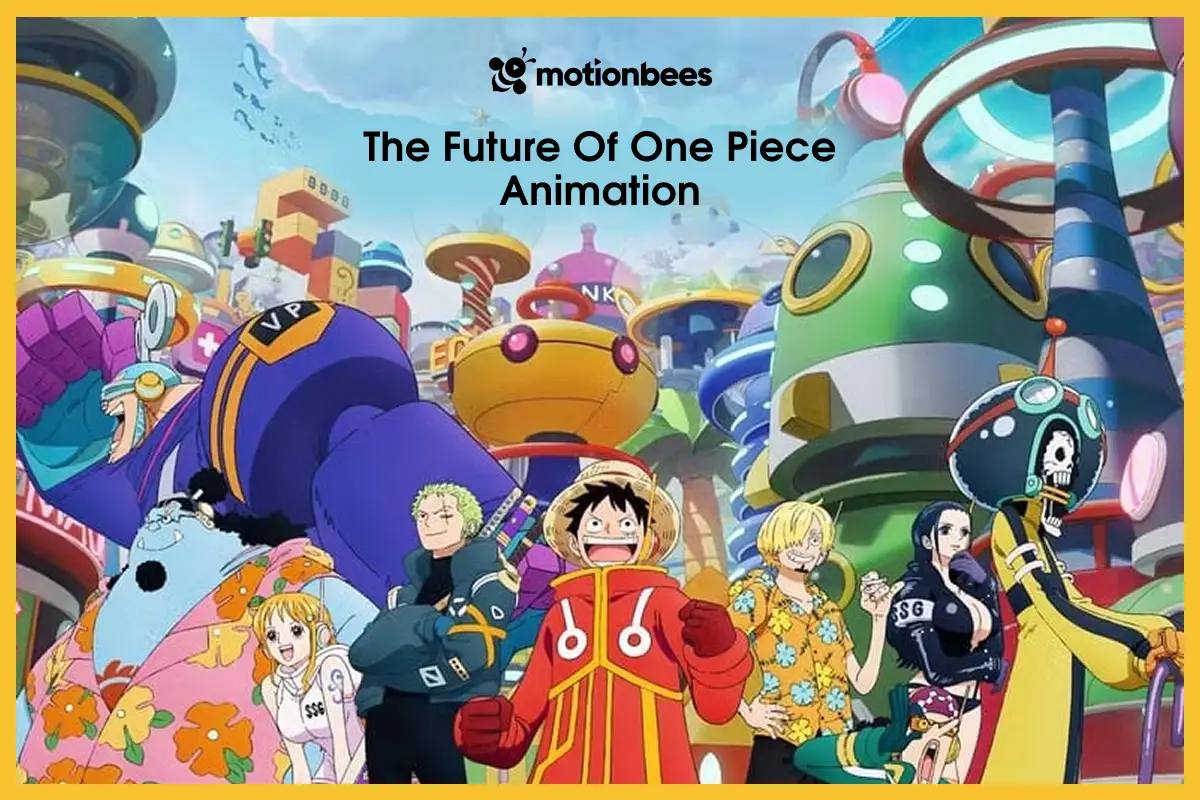
The ongoing Egghead air is improving. They are using better colors, designing better characters and using advanced effects. The show has taken a jump from basic to 2D and now 3D. With new tools and technologies, it is going to upgrade more and more. You know why the future of One Piece is bright? Because instead of changing the classic appeal, they are perfecting it using modern approach.
Conclusion
The One Piece animation change evolution answers the most significant question of the viewer: Is it worth continuing to watch the series?
Well, the answer is yes because the goal is to work on both the visuals and the story. One Piece did not stay the same to remain relevant. It stayed relevant because it was developed with care, purpose, and reverence.
The evolution is what makes audiences watch and makes One Piece timeless. So, when evolution can make 20-year-old anime timeless, the appropriate choice of animation will do the same for your brand.
Add a Wow Factor in Animations
Animate your brand with evolving animation trends and styles. Contact Motionbees now!
One Piece has also modified its animation to ensure the show appears good to the present day audience. The initial episodes were also drawn by hand with less moving frames and this was okay in the late 1990s. However, the series became bigger and more viewed through streaming services, which is why the old format was not up to the modern demand. The new appearance allows the anime to utilize more-resolution graphics, smoother transitions and film-like effects. It makes the show exciting to long-time fans and new viewers alike.
Old episodes were thick-lined, had simple shading and flat colors, that made the characters look cute but not very detailed. It was also a slow action, and there were not many frames. The lines of the new episodes are cleaner, movement smoother, faces are full-expressive and camera shots are as in a film. Backgrounds are more vibrant and effects such as water, fire and weather are more fluid. Lighting and color variations give the mood to sad or fight scenes. The new design combines paper-drawn appeal with digital technology, which makes it brighter and richer.
The new animation makes it simpler and more entertaining to watch. The fight scenes are well-informed and smooth, with every fighter movement evident. Emotions are more powerful, as it is possible to see more detail on the faces and lights that were not possible in old episodes. Enhanced effects and darker backgrounds ensure that people feel like they belong to the world. Effects such as 3D/2D blending, motion graphics, and standard quality ensure that the story remains easy to follow and have both new and old fans eagerly awaiting what happens next.
There are mixed feelings among the fans but an overall good news. Fans particularly love the new appearance particularly in the new chapters such as Wano and Egghead. People argue that the scenes resemble films and combat is more fluid. There are old faithful fans who miss the old simple appearance, which was a thing in itself. However, the majority discuss the new style as a nice improvement that leaves the characters the same as the manga.
The series will continue to paint better pictures. The show has evolved gradually throughout the years and the studio is open to experimentation. New digital tools would make the next chapters even smoother, brighter, with backgrounds detail and improved camera work. The characters and plot will remain faithful to what Oda draws, but the animation will continue to get better, allowing old and new fans to have the best view possible.

Hafsa Hanif is a talented content writer at WebnHubs, specializing in topics such as graphic design, web design and development, logo design, and animation. With her deep understanding of design principles and creative processes, Hafsa crafts engaging, informative, and SEO-optimized content that resonates with readers. Her expertise in SEO ensures that her articles not only captivate audiences but also rank well on search engines, helping businesses boost their online presence through compelling design-focused narratives.
