- What is Animation?
- What Is the Process of Video and Animation Production?
- How To Create an Animation In 7 Important Steps
- Animation Process of a 60 Second Explainer Video
- The Importance of a Defined Animation Process
- Common Errors in Animation Process
- Benefits of a Systematic Animation Process
- Animation in the Digital Age
- Traits of a Reliable Video Animation Agency
- Conclusion
Have you ever looked at your favorite animated video and wondered the process of animation behind it?
Well, behind every define animation video, there is a whole creative process involved. This process consists of planning, imagining, designing, storytelling that turn into a motion video.
What is Animation?
It is the art of turning still images into motion or moving images using tools and techniques. To make animations, you require other skills such as the skill to turn an idea into appealing and functional images.
In 2025, animation is in demand to the brands, businesses, films, marketing and advertising campaigns. Be it a 2D, explainer video animation or a 3D, product video, or even a white board animation, each require a proper production process to deliver clear, consistent, and functional outcomes.
Ever wondered, when was animation created? Well, the father of animation, Émile Cohl created first animated film called Fantasmagorie in the year 1908. Even though, it was hand drawn figures but it resulted into the birth of 2D animation.
Facts Related to Animation
This is gold to businesses. According to Vidico, animated videos have the potential to create 4 times more engagement than static images. It is also estimated that the global animation market size is going to hit 400 billion dollars in the year of 2025.
Nowadays, the focus is on creativity as well as on a well strategized anime production process to make animations that touch hearts and provide quantifiable results.
In this animation guide, we will discuss the how is animation made, what are the animation steps, tools and technologies required, and a bit about which video animation agency to choose to bring your brand stories to life.
What Is the Process of Video and Animation Production?
It refers to the steps involved in the planning and development of an animated video, starts from concept to execution. Animations can be used in 2D, 3D, whiteboard, explainer and motion graphic projects.
It is not hit-or-miss creativity but requires an organized animation production process. Each frame has a message that is well put together in the end result. The process starts from brainstorming then script writing which is followed by design, animation, sound and final production. And this is how are animated movies made by video animation companies.
The process of video animation production also requires a set of tools at every stage. There are tools like Adobe After Effects and Blender that are used depending on the type of project.
Motionbees is a 3D as well as 2D animation explainer video company that can provide with consistent creativity in work that keeps clients engaged throughout the process.
Explore our explainer video animation services to learn how we approach each step in a professional manner
How To Create an Animation In 7 Important Steps
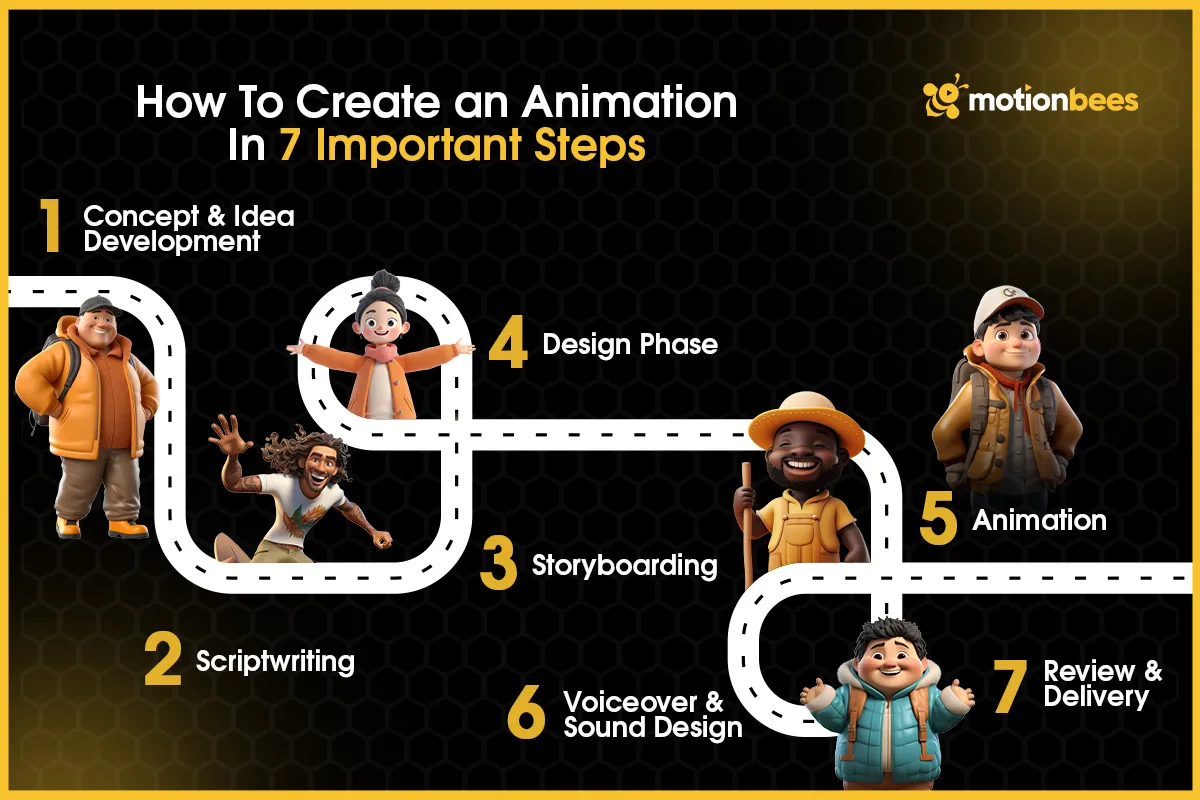
Animation process goes through seven simple and significant steps. These steps turn any idea or static frame into an animation video masterpiece. Let’s dive into it step by step.
Concept & Idea Development
Any masterpiece animation begins with an idea. This step identifies your objectives, audience and message.
The creative team brainstorms on story ideas according to your brand voice and purpose. Then, a visual board or a mood board is created to direct the tone and style. For example, some requires a playful whereas other wants a minimal, or a cinematic vibe.
This is where creativity and strategy come together and interplay. In this stage, you are no longer questioning how to do animation but why you’re making one. Any animation video company working on an animation for a brand or a business ask few questions which includes, what is your product? Target audience? And the goal? Whether they want to motivate or increase brand awareness?
To organize and deliver ideas inspiration, designers use certain tools such as Miro or Notion. These tools organize ideas, provide reference videos, guide on color and style and pace. After the approval of the creative brief, the animation process actually starts.
Scriptwriting
Your script or your story is going to be the blueprint of your animated video. It is going to be the foundation that will drive your visuals, frames, timing and tone.
For example, a good script is always brief, narrow and well-studied. The duration of most explainer videos ranges between 60 and 90 seconds. This time duration is enough to keep viewers engaged without revealing excess information.
In this stage, the copy or the scriptwriter creates a storyline based on the idea or concept. The storyline is based on the brand tone and brand identity, whether friendly, bold or professional.
There is a pro tip for storywriter, they should write as they are speaking to the audience This way, the final animation increases user engagement, keep brands remain memorable.
After scriptwriting, clients provide feedbacks. The script either gets rejected or go through revisions and then the artists start working on visuals.
Storyboarding
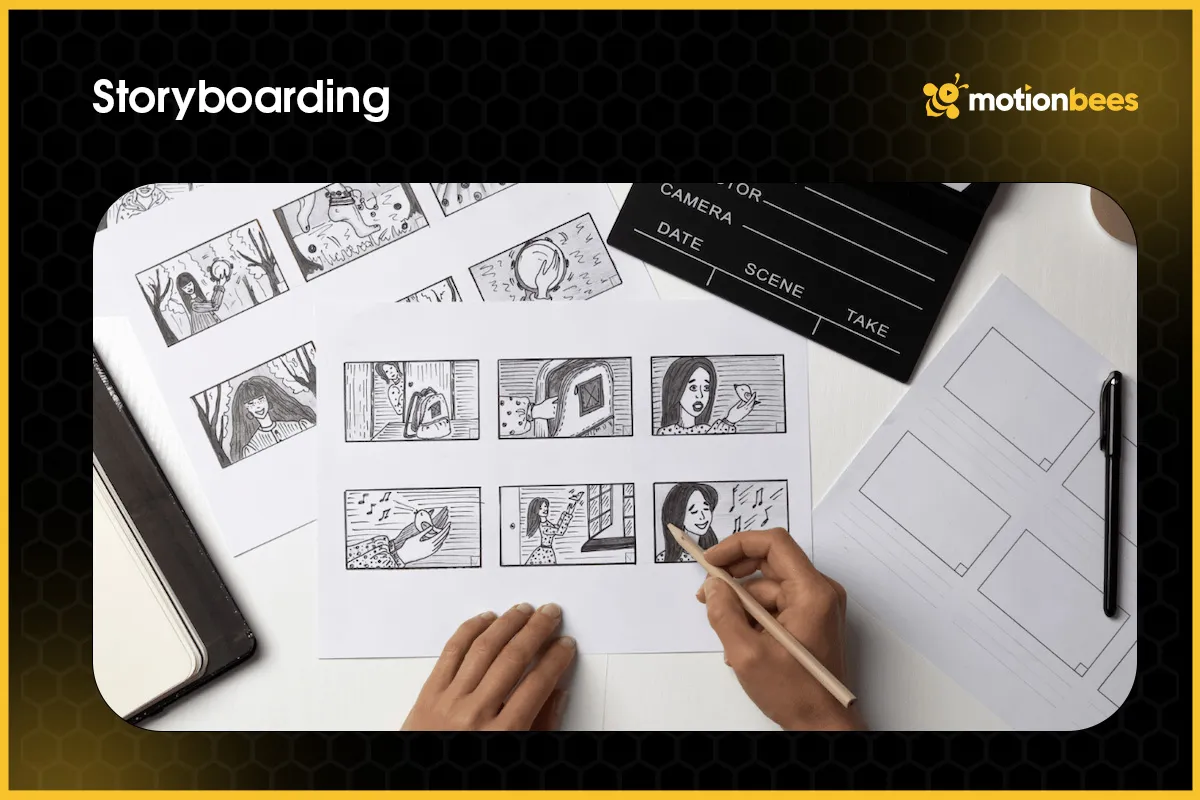
The storyboard writer will visualize each scene of the script into frames. Storyboards are basically sequence of frames, where each frame has a story of its own. These frames then later combine to form a whole story.
Animators make frames that won’t have characters only but also moods, camera angles, transitions and motion cues.
At Motionbees, animators make storyboards or mood boards in collaboration with clients, designers and developers. A well-studied storyboard reduces the number of revisions; they listen to clients which help them frames that remain timeless.
Any credible animation video agency works the same way. They have a team that thrives on feedbacks and creative inspiration. It helps generate outstanding frames; each reflecting the look and feel of the brand.
Design Phase
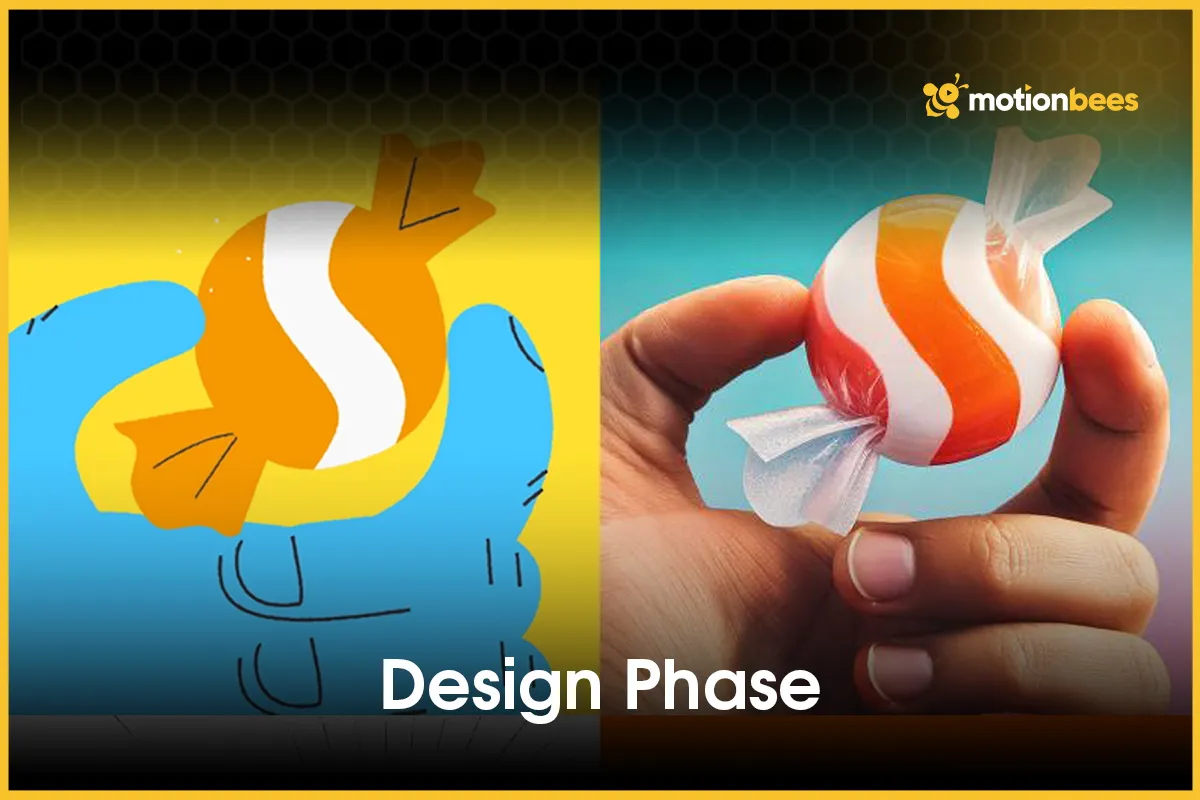
After locking the storyboard, the design team comes into play.
They develop the characters, backgrounds, icons and color scheme depending on the tone of the project. This stage determines what kind of visual image an animation will have, is it playful, professional, or dramatic.
There are tools that designers use to design such as Figma, Abobe Illustrator and Photoshop. These help with choosing font style, layout and color scheme according to brand to enhance its identity.
In 2D animation production, designing means creating style frames which decides the overall appearance of the final product. In 3D work, designing requires working on the spaces, camera angle, light and texture.
If the frames are designed properly, it simplifies the overall process of animation, saves time by reducing revisions. This saves money and ensure a consistent brand identity of the product.
Animation: Making All Things Real
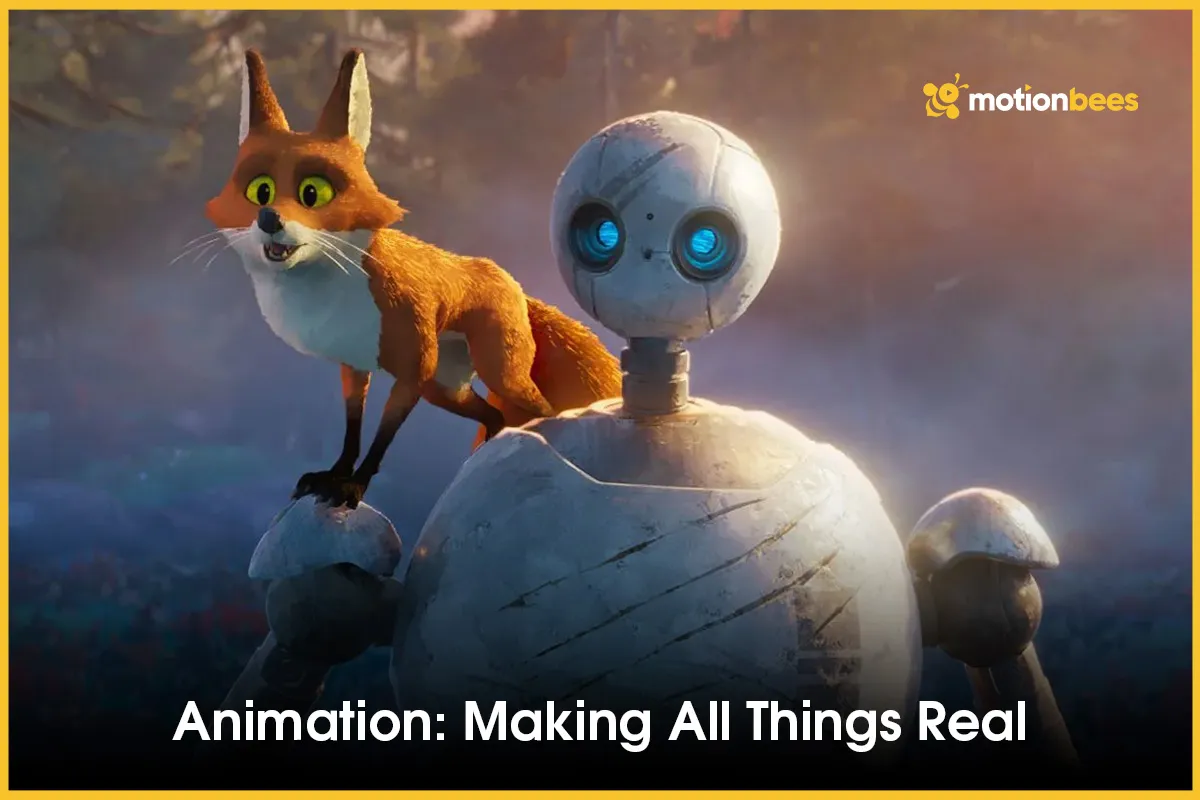
Now comes the magic. Here is where static images begin to move. They become alive, feel more real and deliver the message across the board.
There are three principles to animation, which includes keyframing, timing, and transitions. To work on animations, designers prefer using tools like Toon Boom, After Effects, and Blender. There are other software programs that also help animators put characters to motion.
Regardless of the fact that you’re working on 2D, 3D, explainer or whiteboard animation, the principles remain the same.
As stated in the Sortlist Data Hub, according to Statista 85% of the world animation market is based computer-generated animation. This reveals how CGI is dominating the contemporary creative environment.
Animation Types
Each animation project revolves around these three animation techniques:
- 2D Animation: This includes frame-by-frame or vector-based motion which are great for explainer videos.
- 3D Animation: This adds life-like depth, intense and striking light and different camera angle into animation, best used in films and advertisements.
- Whiteboard Animation: They are visual presentations created in real time, widely used for educational purpose.
- Motion Graphics: Text and figures that move to communicate ideas.
Key Differences
Every type of animation has the same creative principle but differs in terms of complexity and time.
| Type | Use | Tools | Style |
|---|---|---|---|
| 2D Animation | Explainers, marketing | After Effects, Toon Boom | Flat, minimalistic visuals |
| 3D Animation | Movies, product demos | Blender, Maya | Depth and Realism |
| Whiteboard Animation | Tutorials, education | Videoscribe | Traditional/hand-drawn look |
| Motion Graphics | Branding, advertisement | After Effects | Dynamic typography |
Voiceover & Sound Design
Have you ever seen an animation that has no music? It does look and feel incomplete.
Sound design and voiceovers add emotion to your images. A good background music will create a sense of rhythm and excitement. There are different voices that you can add depending on your brand message, be it friendly, bold or energetic.
Sound effects also work as storytelling tool. For example, in horror films there is a different sound track whereas in cheerful videos, there is a different one. There are also different sounds for clicks, movements, or impact.
It is also important that the visual must match to the audio you’re using. Sometimes, a funny voice against a serious message can turn the whole message upside town. This way, sometimes, even a seconds of delay ruin the whole experience.
Facts about Voiceovers
It is statistically proven that videos with clear voiceovers and high-quality soundtracks retain up to 30% more viewers. That is why any 3D or explainer video animation company will invest a lot in post-production sound.
Likewise, Motionbees takes time to select voice talents and music to enhance the impact of your story.
Review & Delivery
Your animation goes through reviewing stages before it is completed.
This phase revolves around feedback, refinements, and technical polishing. Animators and designers work together to make changes. These chances can be of color, logo placement or visual compression to deliver quality visuals that loads quickly.
This step is important in production process to attain a smooth transitions, proper pacing, and uniform branding.
The final animated video after client’s approval is exported in HD or 4K formats. These formats are normally used in the web, social media, or TV.
The result leaves an animation on the table that is visually appealing, attract audience and build your brand presence.
Animation Process of a 60 Second Explainer Video
How does this work out in actual life? As an example, we can consider a 60 second explanatory video.
Concept & Script: First, you will look for the goal or the aim. Then you will question or inquire the product. Ask questions like why you’re making the video? who are you making it for? Is it a video animation for business or not?
Storytelling: After knowing the concept, you will move to scriptwriting where you pen down the story. Animators use the concept and turn them into a whole story on which the animation is built
Story or Mood Boards: Now, you work on the frames, making style frames for each scene. Here, you describe each movement and transition. Storyboards also explain about the color, lighting and effects.
Design: Once you have style frames, designers start developing visuals to show how the characters or the product will look. In this stage, there is a use of different tools to either polish or design.
Animation: After designing each frame, animators will start animation process. In these stages, they will animate everything, make it move and speak. This is technically the last stage of work before sound adds.
Sound & Review: After the client reviews and accept the animation, the music or the soundtrack adds in. This is where you can showcase the brand message, its tone and the desired feel. After adding sound, reviewers fine-tune visuals and export the file.
In a few weeks, you can turn a lifeless idea into a living animated story that touches and transforms.
Wish to discover how Motionbees manages all the steps?
The Importance of a Defined Animation Process
A systematic animation process differentiates between a professional animation design company or an amateur one. A professional agency knows how does animation work and they also provide range of animation video services to satisfy all kind of ideas and concept.
Without a defined animation process, an agency or a freelance animator will not be able to meet deadline.
Because of zero collaboration and no access to team work, they can frustrate clients, and welcome multiple revisions because of confusions. All great animation, whether it is a Pixar movie or a brand explainer video, is successful because it has a well-defined structure.
Common Errors in Animation Process
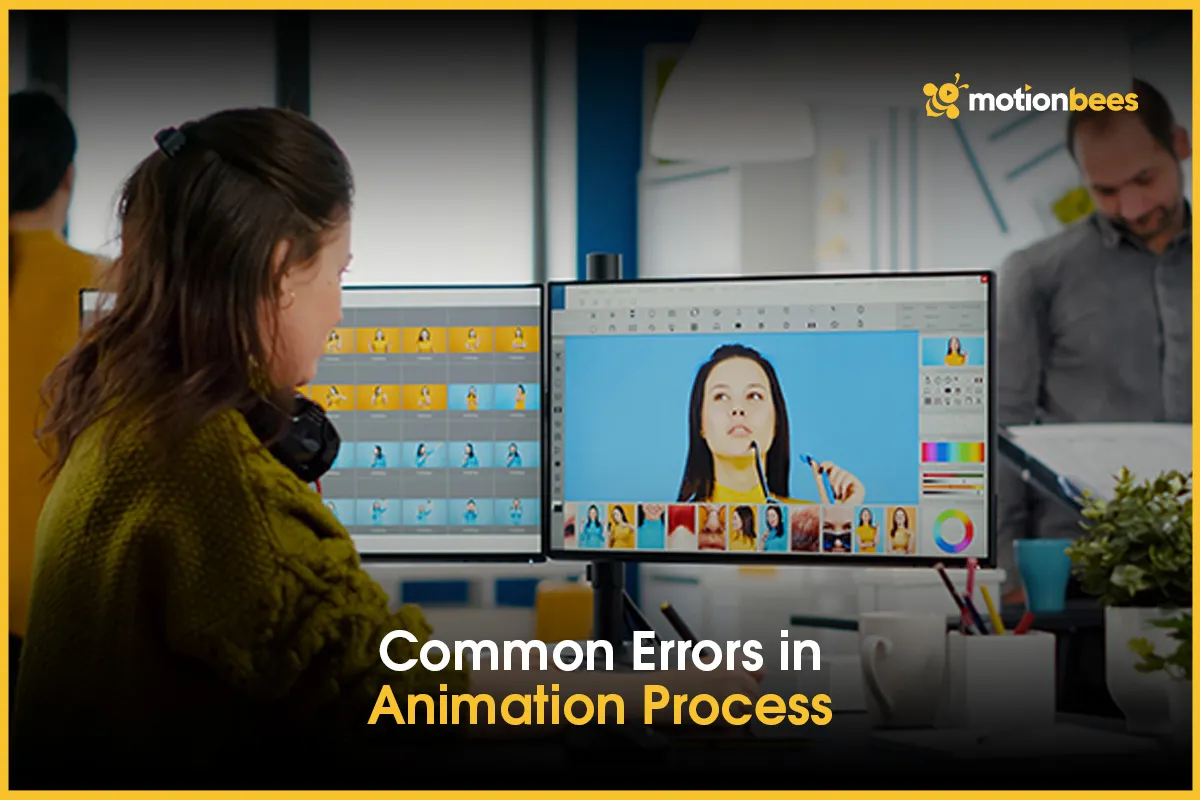
Studios that fail to complete the pre-production stage or work without storyboarding, normally waste weeks in re-shooting scenes.
An example of this will be a client who does not get the refined script refined. Now, the client will have to re-record costly voiceovers. This is due to miscommunication between the clients and then animator which leads to mismatching between visuals and the brand message.
An effective animation workflow makes sure that everyone, be it writers, illustrators, animators, and editors, collaborate to the same objective.
Benefits of a Systematic Animation Process
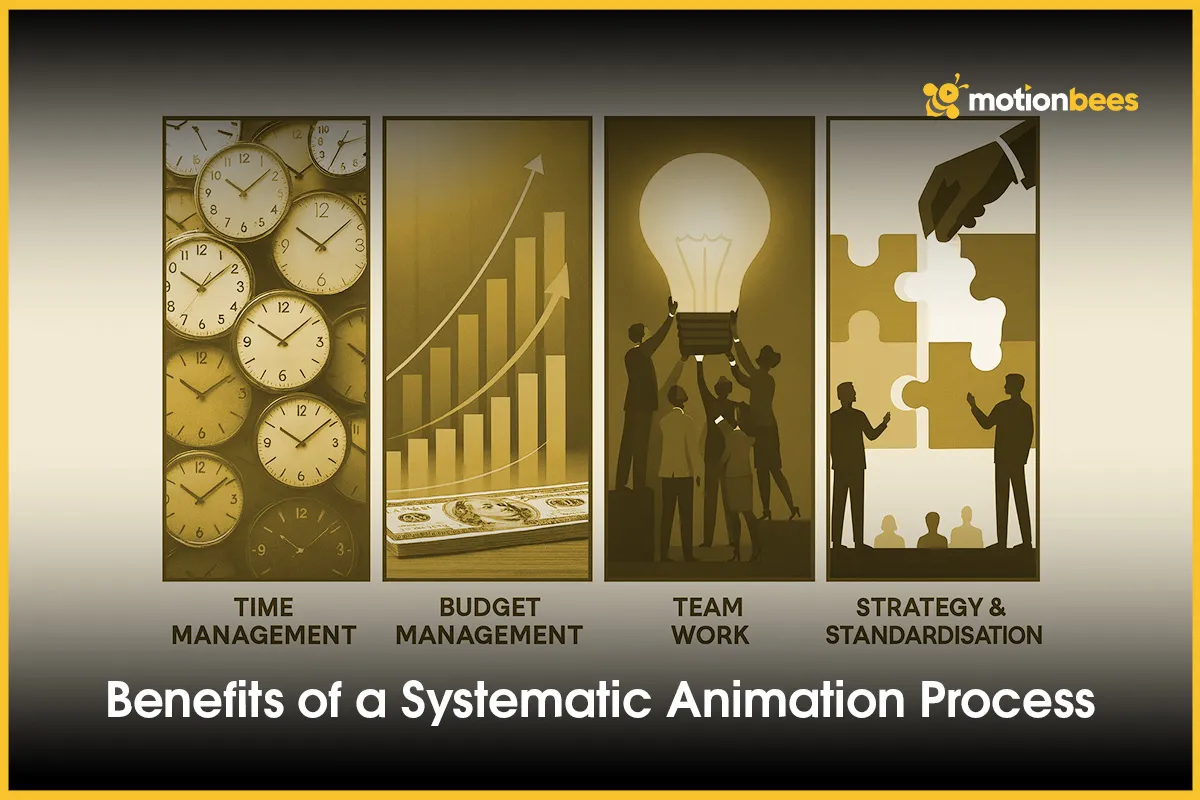
A systematic process also improves efficiency, communication and innovativeness. It reduces editing and storytelling effect.
Be it a social media poster or a commercial that takes up to months to create, having a clear process is important. This is what will help you to put together all the pieces of a puzzle. It also educates on how to make animation video that is unified, has emotional story and resonates with your target audience.
Animation in the Digital Age
Animation is not just for entertainment use anymore but an effective marketing tool that make brands engage and communicate.
Nowadays, when people are relying on videos and consuming more video content, animation can be a good source of visual communication.
This medium can help brands, business, educators convey concept, ideas, product and services for branding, educating and marketing purpose.
By using video to explain products, brands can connect in the quickest and smartest way possible. This is highly because the modern age is relying more on animated videos instead of still or static images.
One of the reasons is content platforms like Tik Tok and Instagram Reels. Audience is consuming a lot of animated content as well as engaging with brands. This is why, brands are creating high impact, bite sized animated videos to convey brand stories in only a few seconds.
Traits of a Reliable Video Animation Agency
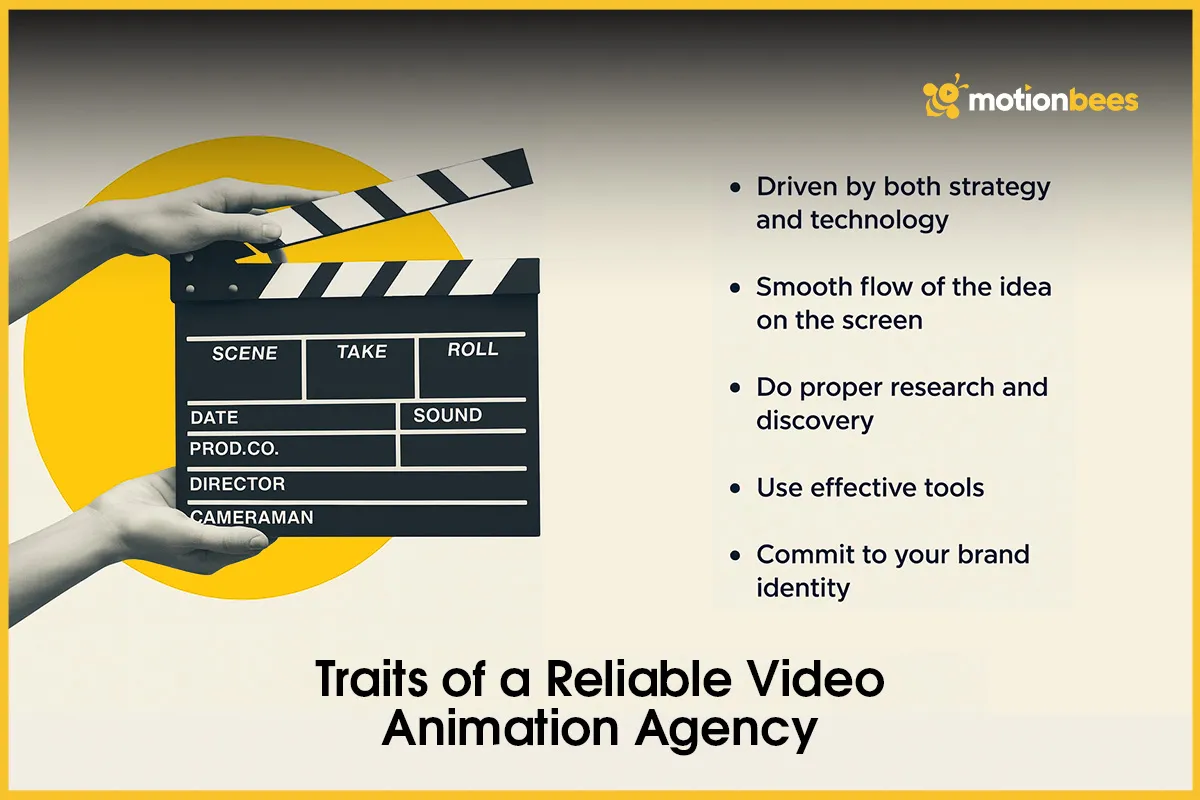
If you want to hire trustworthy video animation company, you need to do proper research. Do not just ask how to make an animation but understand how they approach the idea. A professional company like Motionbees believe that animation is not simply video production. It is a narrative which is driven by both strategy and technology.
There is a combination of creativity and structure that allows all projects, either corporate explainer and 3D commercials, to carry a smooth flow of the idea on the screen.
As mentioned above, the initial step is research and discovery. This means, they will inquire about your brand, audience, and message. After that, they will work on scripts then storyboards and designing to visualize scenes.
You will need to study basic tools that any animation team use to animate such After Effects, Blenders, Cinema 4D, Adobe Illustrator and few more.
At Motionbees, we make brands create a long-term impression by simplifying the animation process that fits a fast-paced modern date
How Motionbees Differentiate Itself in the Animation Market?
However, Motionbees stands out because of its collaborative teamwork. We maintain constant contact with clients at each stage, making sure it feels right to them. The aim is to deliver the product that they are aware of or have properly reviewed.
For someone who has no idea about the whole process, we also educate and provide consultation. We know the importance of brand identity in all the design elements, be it color, pace, layout, fonts, style.
Even if you are hiring a freelance animator, or you are yourself a freelancer, learn to stand out by making a difference. Create or design to motive and persuade. For each brand or business, the goal is different, not everyone wants to sale or drive conversions. Some just want to make an impact.
Every project at Motionbees has a start and an end. You will get a “Stick to your seat” start and “The story has a convincing moral” end. Since animation is not merely on movement. It is all about getting your brand to move people.
Conclusion
Animation is not a technical work but rather a creative alchemy. The aim of animations is to transform abstract or still images or concepts into motions.
These motions or moving objects will have emotions, color, and message to them. Whether you are making a movie or an animation video for a brand campaign, you need a proper animation process. That is, starting from brainstorming to actual designing and animation.
Feedbacks are must, they help you save your time and help pockets from getting all drained. Other than these two benefits, it all help you deliver the right message to your target audience and remain memorable.
Remember that the future of animation has evolved and will keep on evolving. As new tends, styles, tools and techniques come in, there will be new ways to communicate. However, animation will always require a mix of art, technology, and storytelling. This is what will help you stand out now and forever.
Well, it depends. An hour or hours long animated video can take about 10 years whereas a short explainer video will take about 6 – 8 weeks. It all depends on the kind of project and the level of complexity or detailing.
Well, there are number of tools such as Adobe After Effects, Blender, Toon Boom Harmony, Cinema 4D and Maya. These tools perform different functions, depending on the needs and requirements. Some are paid while some are free.
For example, Storyboarder and Photoshop are the two tools that are commonly used in pre-production of animation. Whereas, tools like Adobe Audition or Audacity are sound design software. The choice of tools can vary according to the requirements of the project in studios.
An effective workflow is one that combines structure and creativity. It begins with great pre-production (concepts, script, storyboard). Then passes through an elaborate production (design, animation, voiceover). And finally concludes with a flawless post-production (editing, sound, and delivery). All of the phases are creative and innovative without losing deadlines and direction.
Animation videos enhance brand memory, simplify product description, and increase watching time. They are ideal in simplifying complex issues, generating conversions, and making marketing content more viral. Studies indicate that animated content has the potential to enhance interaction up to 400 percent than the non-animated graphics.

Hafsa Hanif is a talented content writer at WebnHubs, specializing in topics such as graphic design, web design and development, logo design, and animation. With her deep understanding of design principles and creative processes, Hafsa crafts engaging, informative, and SEO-optimized content that resonates with readers. Her expertise in SEO ensures that her articles not only captivate audiences but also rank well on search engines, helping businesses boost their online presence through compelling design-focused narratives.
